


AI-Powered Construction Site Security: How Bangalore Builders Can Stop the Rs 11.5 Lakh Theft Gangs Construction theft is no longer a petty nuisance in Bangalore. The recent Peenya theft case, where a scaffolding supplier lost Rs 11.5 lakh worth of materials in just 10 days, highlights a serious crisis. North Bangalore hotspots like Dasarahalli, Bagalagunte, and Peenya have reported 15+ organized thefts in the past month. These incidents are not random. They follow clear patterns, often involving insider help and targeting sites between 2:30 AM and 4:00 AM. The Hidden Cost of Construction Theft in Bangalore Globally, the construction industry loses $300 million to $1 billion annually to theft. In India, the issue is underreported, but local contractors and suppliers feel the brunt. Data shows 27% of thefts are inside jobs, where workers or subcontractors assist gangs. For Bangalore builders, the losses go beyond materials. Delays, insurance disputes, and reputational damage pile on hidden costs. In highly competitive markets like Bangalore, where projects run on tight timelines, every theft can derail progress. Cement bags, rebar, scaffolding, and even diesel are stolen because they are easy to resell. Traditional CCTV construction site security often fails, as thieves know blind spots and exploit weak monitoring. Why Traditional CCTV Fails Construction Sites Most construction companies in Bangalore still rely on standard CCTV. The problem? Cameras record events but rarely prevent them. Security guards either fall asleep or miss incidents. Reviewing hours of footage after a theft is both reactive and costly. Worse, criminals study site patterns. They know when cameras are unattended and exploit those moments. With organized gangs operating across North Bangalore, basic CCTV is no longer enough. AI Video Analytics: Smarter Construction Site Security This is where AI CCTV construction technology changes the game. Unlike standard cameras, AI-powered surveillance detects unusual activity in real time. For example: Intrusion detection alerts when someone enters restricted zones at odd hours. Object recognition identifies if materials are being moved without authorization. Time-based alerts flag unusual movement between 2:30 AM and 4:00 AM. Vehicle tracking monitors trucks or pickups entering sites after working hours. Instead of passively recording, AI actively prevents theft. Builders receive instant mobile alerts, enabling guards or managers to intervene before losses occur. ROI: How AI CCTV Pays for Itself Many Bangalore builders hesitate, assuming AI systems are expensive. In reality, the return on investment (ROI) is significant. Let’s break it down: Average loss from a single theft: Rs 3–5 lakh Cost of AI video analytics system: Rs 1.5–3 lakh per site annually Payback period: 1–2 incidents prevented Compared to recurring theft losses, AI surveillance is not a cost but a protection investment. Builders also benefit from reduced insurance premiums, fewer project delays, and increased client trust. Implementation Guide for Bangalore Builders Switching to AI-powered security is easier than many assume. Here’s a quick roadmap: Site Audit – Identify entry points, blind spots, and high-value storage areas. Deploy AI Cameras – Cover perimeters, storage yards, and worker access zones. Integration – Connect AI analytics with mobile alerts for real-time monitoring. Access Control – Pair cameras with RFID tags or biometric worker check-ins. Regular Review – Audit AI reports to spot insider collusion or recurring patterns. Contractors should work with vendors specializing in AI video analytics for construction sites to ensure seamless deployment. Success Stories in Bangalore Several Bangalore builders have already adopted AI security with measurable success. Peenya Industrial Area: A contractor stopped three attempted thefts in one month after installing AI intrusion detection. Dasarahalli Project: A real estate developer reduced diesel pilferage by 40% by tracking night-time vehicle movement. Bagalagunte Site: A scaffolding supplier recovered stolen equipment within 24 hours thanks to AI-powered alerts. These cases prove that AI-driven construction theft prevention in Bangalore is no longer futuristic—it’s a necessity. The Future of Construction Site Security in Bangalore Organized theft gangs are getting bolder. Builders who still depend only on guards and standard CCTV risk repeating the Rs 11.5 lakh Peenya loss. AI-driven construction site security in Bangalore offers a proactive shield, ensuring projects stay on time and within budget. Investing in AI video analytics today is not just about preventing theft—it’s about protecting business continuity in one of India’s fastest-growing construction hubs. FAQs: AI CCTV For Construction Site How can builders prevent construction site theft in Bangalore? Builders can prevent theft by installing AI CCTV systems, controlling site access, and setting up real-time alerts. AI analytics detect suspicious movement and prevent losses before they occur Why is AI CCTV better than traditional security for construction sites? AI CCTV uses video analytics to detect intrusions, unusual movement, and insider theft patterns. Unlike standard CCTV, it actively prevents theft instead of just recording it. What is the cost of AI video analytics for construction sites in Bangalore? AI CCTV systems cost around Rs 1.5–3 lakh annually per site. This is far less than the average loss of Rs 3–5 lakh from a single theft. Which areas in Bangalore are most affected by construction theft? North Bangalore, including Peenya, Bagalagunte, and Dasarahalli, has reported multiple organized thefts in recent weeks, with losses crossing Rs 11.5 lakh. Is AI construction site security a good investment? Yes. Most builders recover their investment after preventing just one or two theft attempts. The ROI is high due to fewer delays, reduced insurance claims, and improved project security. Ready to upgrade to compliant surveillance? At Yendra Techno Solutions, we specialize in guiding businesses through this transition, ensuring you get STQC-certified CCTV systems installed with expert care. Talk to Our Security Experts Today Related Posts, News & Articles October 1, 2025 AI-Powered Construction Site Security: How… Read More September 29, 2025 Future of Surveillance in India… Read More September 29, 2025 Global CCTV Ban & Compliance Read More

Future of CCTV Surveillance in India – Beyond CCTV Compliance
Future of Surveillance in India – Beyond CCTV Compliance Introduction: A New Chapter for Indian Surveillance India’s surveillance ecosystem is evolving rapidly. The future of CCTV in India is not just about compliance but about embracing new technologies. AI-powered video analytics, edge computing, and strict data localization norms are reshaping the industry. At the same time, the Standardisation Testing and Quality Certification (STQC) framework is expected to expand its scope beyond cameras, influencing IoT and smart city security. AI-Powered CCTV: Smarter, Faster, Safer Artificial Intelligence is redefining surveillance. Cameras can now detect anomalies, recognize faces, and predict risks in real time. However, AI surveillance compliance brings new challenges. Algorithms must be tested for accuracy, bias, and resilience against adversarial attacks. India will need updated compliance frameworks that ensure AI cameras meet both ethical and cybersecurity standards. Edge Computing: Speed and Efficiency in Security Traditional CCTV relies on centralized servers. Emerging systems process data at the edge—within the camera or local device. Edge computing reduces latency, cuts bandwidth costs, and enhances real-time decision-making. For enterprises, this means faster alerts and better scalability. Yet, it also means stronger endpoint protection is essential. As more processing shifts to the edge, IoT cybersecurity in India will become critical. Data Localization: Protecting India’s Surveillance Data India’s push for data localization will reshape how surveillance systems are designed and deployed. Footage from sensitive locations must remain within national borders. This policy strengthens privacy and reduces risks of cross-border data leaks. For global manufacturers and local system integrators, compliance with data localization will be a decisive factor in future contracts. STQC Beyond CCTV: Expanding Into IoT Security So far, STQC has focused on CCTV hardware and software certification. But as connected devices multiply, the framework will expand to IoT. Smart sensors, access controls, and AI-driven analytics platforms will likely require certification. This shift ensures uniform security standards across India’s growing digital ecosystem. For tech leaders and R&D teams, early compliance readiness will be a strategic advantage. Opportunities for Enterprises and Innovators The evolving regulatory landscape presents challenges but also opportunities. Companies that invest in AI-driven, STQC-ready products can capture premium markets. Enterprises that adopt compliant systems will earn customer trust and regulatory approval. Innovation in AI surveillance compliance and IoT cybersecurity can position Indian manufacturers as global leaders The Road Ahead: Beyond 2025 The next wave of surveillance in India will be defined by intelligence, security, and regulation. AI-powered analytics, edge-enabled processing, and strong data governance will dominate. STQC will evolve into a broader compliance authority covering IoT and smart city technologies. For CIOs, R&D teams, and policy makers, the future of CCTV in India is not just about monitoring—it is about building resilient digital ecosystems. Conclusion: Surveillance as a Strategic Asset Surveillance in India is entering a future shaped by technology and compliance. From AI-powered CCTV cameras to certified IoT devices, the focus is shifting from monitoring to security-first intelligence. By aligning with AI surveillance compliance and preparing for IoT cybersecurity in India, businesses and innovators can ensure they remain ahead of the curve Ready to upgrade to compliant surveillance? At Yendra Techno Solutions, we specialize in guiding businesses through this transition, ensuring you get STQC-certified CCTV systems installed with expert care. Talk to Our Security Experts Today Related Posts, News & Articles September 29, 2025 Future of Surveillance in India… Read More September 29, 2025 Global CCTV Ban & Compliance Read More September 29, 2025 STQC Impact on CCTV Camera… Read More

Global CCTV Ban & Compliance
Global CCTV Ban & Compliance | CCTV Surveillance Cybersecurity Trends Introduction: Surveillance Security Goes Global Surveillance is no longer just about cameras and recording. It is about data, cybersecurity, and trust. Governments worldwide are tightening rules to prevent espionage and unauthorized access. India’s STQC certification, the US ban on Chinese brands, and restrictions in the UK and Australia all point in the same direction. For multinational businesses and policy analysts, these global actions highlight a common concern: surveillance infrastructure must be secure. India’s Approach: STQC Certification India has introduced STQC compliance as the backbone of surveillance security. Every CCTV product must undergo testing for hardware integrity, firmware vulnerabilities, and encryption strength. This move reduces dependence on uncertified imports and strengthens domestic security. For businesses operating in India, certified systems are now mandatory for government projects and highly recommended for corporate networks. United States: FCC Ban on Hikvision and Dahua The United States has taken a direct route. The Federal Communications Commission (FCC) banned imports of cameras from Hikvision and Dahua, citing national security risks. These brands were flagged for potential backdoors and data leaks. The ban reflects growing concern over foreign-controlled surveillance networks. Unlike India’s process-driven checks, the US approach is an outright prohibition of high-risk vendors. United Kingdom: A Policy of Exclusion The UK government announced restrictions on Chinese-made surveillance cameras within sensitive sites. Public bodies were directed to phase out systems from manufacturers tied to security risks. This aligns with the US stance but focuses more on critical infrastructure. The move underscores the need for international CCTV compliance, especially for companies managing government contracts. Australia: Aligning with Western Allies Australia followed a similar path by banning cameras from flagged Chinese brands across government facilities. Security audits revealed vulnerabilities in public sector networks. The decision was less about cost and more about long-term cybersecurity. Australia’s approach mirrors its strategic partnerships with the US and UK under shared security frameworks. The Common Thread: Surveillance Cybersecurity Across India, the US, the UK, and Australia, the motivation is clear—protecting national security. The fear is not just about video feeds but about surveillance cybersecurity. Compromised systems can provide real-time intelligence to hostile actors. They can also serve as entry points for broader cyberattacks. This alignment across continents shows how deeply surveillance is tied to global security policy. Impact on Multinational Businesses For companies with operations across multiple countries, compliance has become more complex. A system acceptable in one market may be banned in another. Businesses must navigate diverse rules, from India’s STQC certification to Western bans. The safest strategy is to invest in certified, globally compliant solutions. This ensures consistency across offices, plants, and facilities worldwide. Policy Implications for the Future Global trends suggest that surveillance regulation will only tighten. More nations may introduce compliance audits or ban high-risk vendors. As AI-powered cameras become mainstream, new layers of testing will emerge. Policy analysts predict stricter international frameworks for global CCTV bans and data-sharing regulations. Businesses that prepare early will avoid costly transitions later. Conclusion: One Global Concern, Many Approaches India, the US, the UK, and Australia may differ in methods, but they share the same concern—securing surveillance infrastructure. From STQC certification to outright bans, the direction is clear. For multinational businesses, this creates both a challenge and an opportunity. By prioritizing international CCTV compliance and certified solutions, organizations can build secure, future-ready surveillance networks. Ready to upgrade to compliant surveillance? At Yendra Techno Solutions, we specialize in guiding businesses through this transition, ensuring you get STQC-certified CCTV systems installed with expert care. Talk to Our Security Experts Today Related Posts, News & Articles September 29, 2025 Future of Surveillance in India… Read More September 29, 2025 Global CCTV Ban & Compliance Read More September 29, 2025 STQC Impact on CCTV Camera… Read More

STQC Impact on CCTV Camera Market India 2025
STQC Impact on CCTV Camera Market India 2025 Introduction: A New Era for India’s CCTV Market The Indian surveillance industry is at a turning point. By September 2025, only five manufacturers had achieved STQC certification. This shift signals a new wave of market consolidation. For distributors, installers, and corporate buyers, the implications are profound. While compliance increases costs, it also creates opportunities for brands that adapt quickly. For those investing in CCTV installation in Bangalore and beyond, certification has become a critical decision factor. Market Consolidation: Fewer Players, Higher Standards The CCTV market in India 2025 is smaller but stronger. With only a handful of certified manufacturers, non-compliant brands risk losing market access. This change benefits compliant companies, giving them exclusivity in government contracts and enterprise deals. For distributors and installers, aligning with certified brands will be essential to remain competitive. The Rising Cost of Compliance STQC certification does not come cheap. Testing involves hardware checks, firmware audits, encryption validation, and penetration tests. Manufacturers must also invest in documentation and retesting cycles. These STQC compliance costs are eventually passed down the supply chain. For MSMEs and smaller buyers, surveillance systems are likely to become more expensive. However, the price increase ensures safer, more reliable networks. Impact on MSMEs and Installers For MSMEs, higher upfront costs may initially appear as a burden. Yet, uncertified systems pose long-term risks. A compromised CCTV camera can lead to compliance failures, financial penalties, and data leaks. Installers in Bangalore and other cities also face a shift. Customers will demand certified solutions, making partnerships with compliant manufacturers crucial. Those who adjust early will capture premium market segments. Opportunities for Certified Brands While costs rise, certified brands stand to gain significantly. With fewer competitors, certified manufacturers can command better margins. Government contracts, corporate buyers, and sensitive infrastructure projects will prefer STQC-approved systems. Distributors aligned with these brands can market them as premium, trusted solutions. This creates new revenue streams for CCTV installation in Bangalore, where demand for secure systems is high. Corporate Decision-Makers: Why Certification Matters Large enterprises must factor certification into their surveillance strategies. Choosing uncertified systems exposes them to compliance failures and cyber risks. Certified CCTV cameras not only meet legal requirements but also build stakeholder confidence. For corporate buyers, investing in STQC-approved solutions reduces risk and supports long-term security planning. The Road Ahead: What to Expect Beyond 2025 The CCTV market in India 2025 is entering a consolidation phase. Over time, more manufacturers will seek certification, but the entry barrier remains high. Costs will stabilize as testing frameworks mature. Meanwhile, AI-driven cameras and smart surveillance will undergo stricter audits. For businesses, staying ahead of compliance requirements will be the key to growth. Conclusion: Adapting to the New Compliance Reality The STQC mandate has reshaped India’s CCTV market. While compliance raises costs, it also creates a premium opportunity for certified brands. Distributors and installers must align with compliant manufacturers to survive. For corporate buyers, certified solutions are now a non-negotiable standard. Whether planning CCTV installation in Bangalore or nationwide rollouts, STQC certification ensures safety, compliance, and long-term trust. Ready to upgrade to compliant surveillance? At Yendra Techno Solutions, we specialize in guiding businesses through this transition, ensuring you get STQC-certified CCTV systems installed with expert care. Talk to Our Security Experts Today Related Posts, News & Articles September 29, 2025 Future of Surveillance in India… Read More September 29, 2025 Global CCTV Ban & Compliance Read More September 29, 2025 STQC Impact on CCTV Camera… Read More

How CCTV Camera gets STQC Certified in India:2025
How CCTV Camera gets STQC Certified in India:2025 Introduction: Why STQC Certification Matters India’s demand for reliable surveillance is growing fast. Every CCTV camera in Bangalore, whether for corporate offices or homes, must ensure data security. To guarantee this, the Standardisation Testing and Quality Certification (STQC) process plays a critical role. For manufacturers, importers, and OEMs, understanding how these tests are conducted is vital. Without STQC approval, entry into government or sensitive markets becomes difficult. The Role of India’s Empaneled Testing Labs The STQC certification process is conducted across 11 empaneled labs in India. Key facilities are located in Noida, Mumbai, Bengaluru, Kolkata, Pune, and Chennai. Each lab specializes in evaluating surveillance products for cybersecurity resilience, hardware quality, and software reliability. These labs are the backbone of the STQC compliance process, ensuring cameras used by CCTV installers in Bangalore and other cities meet strict safety standards. Step One: Hardware Debugging and Analysis Testing begins with hardware inspection. Engineers dismantle cameras to examine chips, sensors, and processors. They check for hidden modules that could compromise security. This phase identifies counterfeit components and ensures hardware aligns with approved specifications. For anyone investing in an AI CCTV camera, this step confirms the product is free from hidden risks. Step Two: Firmware Validation and Updates Firmware is often the weakest link in surveillance systems. Labs test for vulnerabilities that could allow unauthorized access. They also assess how firmware updates are deployed and secured. Any backdoors or unencrypted update mechanisms are flagged. This ensures that when buyers opt for a CCTV camera for home installation, the device cannot be remotely exploited. Step Three: Encryption and Data Protection Modern surveillance relies on encrypted data transfer. Labs evaluate whether a system uses strong encryption protocols for video storage and transmission. Weak encryption exposes networks to data theft. The STQC audit verifies that footage remains secure across all channels. For those searching CCTV installation near me, this certification offers peace of mind that their data will not leak. Step Four: Penetration Testing and Cybersecurity Audit Perhaps the most critical step is penetration testing. Ethical hackers attempt to break into the system. They exploit vulnerabilities in web interfaces, mobile apps, and cloud connections. This CCTV cybersecurity audit ensures cameras can withstand real-world hacking attempts. For enterprises deploying large-scale CCTV camera installation in Bangalore, these tests provide confidence that their surveillance network is resilient. The Certification Process Timeline Completing the STQC compliance process involves multiple test cycles. Manufacturers must submit devices, documentation, and software logs. Testing takes several weeks, depending on complexity. If vulnerabilities are found, labs allow fixes followed by retesting. Only after passing all checks does a CCTV system receive the compliance certificate. Why It Matters for Manufacturers and Importers For OEMs and importers, certification is more than a formality. It opens access to government tenders and corporate contracts. Without it, even the most advanced camera cannot be deployed in sensitive locations. Manufacturers gain a competitive edge by marketing their systems as “STQC certified.” This matters greatly in markets like CCTV installation in Bangalore, where demand for trusted surveillance solutions is rising. Future of STQC and Indian Surveillance India’s testing ecosystem is evolving. With increasing threats, STQC labs are expanding their cybersecurity frameworks. Future audits will likely include AI model testing for AI CCTV cameras, ensuring algorithms are free from bias and backdoors. As surveillance grows smarter, certification will continue to be the strongest assurance of trust. Conclusion: Certification Defines Trust in CCTV The STQC compliance process ensures CCTV systems meet strict security standards. From hardware debugging to penetration tests, every step strengthens surveillance reliability. For manufacturers and importers, certification is no longer optional—it is essential. For end-users searching for CCTV camera installation in Bangalore or nearby areas, choosing certified solutions ensures both safety and compliance. Ready to upgrade to compliant surveillance? At Yendra Techno Solutions, we specialize in guiding businesses through this transition, ensuring you get STQC-certified CCTV systems installed with expert care. Talk to Our Security Experts Today Related Posts, News & Articles September 29, 2025 Future of Surveillance in India… Read More September 29, 2025 Global CCTV Ban & Compliance Read More September 29, 2025 STQC Impact on CCTV Camera… Read More

The CCTV Supply Chain Problem – Why Certification Matters
The CCTV Supply Chain Problem – Why Certification Matters Introduction: The Hidden Risks in CCTV Supply Chains The demand for CCTV cameras in India has grown rapidly. Businesses, MSMEs, and government contractors rely on surveillance systems for safety and compliance. However, most buyers rarely consider where these cameras and their components come from. Today, more than 80% of global CCTV components originate from China. This dependence raises concerns about spyware, hidden backdoors, and data exfiltration risks. For organizations planning CCTV installation in Bangalore or across India, certification and trusted sourcing have become critical. China’s Dominance in CCTV Components Chinese manufacturers control the majority of the CCTV supply chain. Cameras, lenses, processors, and even storage components often originate from Chinese factories. On the surface, this helps lower costs and ensures mass availability. Yet, the hidden cost is security. International security agencies have flagged certain Chinese products for vulnerabilities. These vulnerabilities allow remote data access, unauthorized surveillance, and potential breaches. For companies in India, this dependence creates risks that cannot be ignored. The Indian Context: Dependence Despite Local Brands India has seen a rise of homegrown CCTV brands like CP Plus and Prama. These companies actively promote themselves under the Make in India surveillance narrative. However, the reality is that many of their components still come from Chinese suppliers. Local assembly happens in India, but processors, image sensors, and chips are mostly imported. This dependence makes the Indian CCTV ecosystem vulnerable to foreign influence. Even when a product carries an Indian brand name, its security may still be questionable. Certification: A Critical Trust Factor Certification is the strongest way to ensure a secure CCTV system. Certified systems undergo independent checks for hardware and software integrity. These certifications verify that the product is free from hidden backdoors and spyware. For corporate buyers, MSMEs, and government contractors, certified cameras should be non-negotiable. Without proper certification, even the most advanced surveillance network can become a liability. Why Corporate Buyers Should Care Large enterprises handle sensitive financial and operational data. A compromised CCTV camera can expose entry points, employee movements, and strategic assets. Hackers can exploit backdoors to gather intelligence over time. This risk directly affects brand reputation, compliance, and client trust. Investing in certified CCTV cameras protects organizations from financial and legal damages. Impact on MSMEs and Contractors Small businesses and government contractors often choose budget-friendly CCTV systems. Many of these are rebranded imports without any certification. While the upfront cost seems low, the hidden risks can be devastating. Data leaks from surveillance systems can expose confidential projects and trade secrets. Contractors working with government agencies face higher scrutiny. Using uncertified systems can lead to contract cancellations and penalties. Choosing secure CCTV solutions with verified supply chains is not just wise—it is mandatory for growth. The Role of Make in India in Surveillance The Indian government promotes Make in India surveillance solutions to reduce foreign dependence. However, real progress requires strengthening component manufacturing capabilities. India must invest in producing chips, lenses, and processors locally. Until then, certifications and strict supply chain audits remain the most effective safeguard. Buyers should prefer brands with transparent sourcing and BIS-certified systems. CCTV Installation in Bangalore: Buyer’s Checklist When planning a CCTV installation in Bangalore, organizations must look beyond price and specifications. A secure setup requires careful consideration of certifications and vendor credibility. Here’s a quick checklist: Verify supply chain transparency of the CCTV brand. Choose cameras with BIS and international certifications. Ask for vendor compliance documents before installation. Ensure the system integrates with secure storage and network protocols. Avoid low-cost imports without certification. By following this checklist, businesses in Bangalore can protect their assets while complying with regulations. Future of Secure CCTV in India The Indian surveillance industry is at a turning point. As security threats rise, demand for trustworthy systems will grow. Buyers will increasingly prefer certified products with transparent sourcing. Government initiatives will push vendors to invest in local component production. Over time, India will reduce its dependence on Chinese imports. Until then, corporate buyers and contractors must prioritize certified CCTV solutions to avoid long-term risks. Conclusion: Certification is Non-Negotiable The CCTV supply chain problem highlights a serious security challenge. With China dominating 80% of component production, hidden vulnerabilities remain a threat. Even Indian brands often depend on imported components, making certification essential. For businesses, MSMEs, and government contractors, the path forward is clear: invest in certified, secure systems. Whether planning CCTV installation in Bangalore or nationwide projects, certification is the strongest shield against spyware, data theft, and surveillance risks. Ready to upgrade to compliant surveillance? At Yendra Techno Solutions, we specialize in guiding businesses through this transition, ensuring you get STQC-certified CCTV systems installed with expert care. Talk to Our Security Experts Today Related Posts, News & Articles September 29, 2025 Future of Surveillance in India… Read More September 29, 2025 Global CCTV Ban & Compliance Read More September 29, 2025 STQC Impact on CCTV Camera… Read More

Understanding STQC Certification – What Businesses Need to Know
Understanding STQC Certification – What Businesses Need to Know In India, CCTV cameras have shifted from being a “good-to-have” security measure to a must-have for businesses, residential complexes, and public infrastructure. But while adoption grew rapidly, so did cybersecurity concerns. With over 80% of CCTV products in India relying on Chinese components and firmware, questions around data security, privacy, and foreign surveillance became unavoidable. To address this, the Government of India introduced Standardization Testing and Quality Certification (STQC) — now mandatory for all CCTV cameras manufactured, imported, or sold in India. For businesses, this isn’t just a compliance requirement — it’s about protecting sensitive data and ensuring reliable security infrastructure. This blog unpacks what STQC is, how it works, and why it matters for your business. What is STQC? The Standardization Testing and Quality Certification Directorate (STQC) was established in 1980 under the Ministry of Electronics and IT (MeitY) Originally set up to provide quality assurance for IT and electronics, it has evolved into India’s premier cybersecurity testing body. For CCTV cameras, STQC certification is carried out under the IoT System Certification Scheme (IoTSCS), which evaluates whether surveillance devices meet the Essential Requirements (ER-01) for cybersecurity and reliability. In short: STQC ensures that your CCTV cameras are not just recording video but doing so securely, without exposing your business to digital risks. Why Did the Government Mandate STQC? The mandate is a response to three major concerns: National Security Risks – Evidence showed that video data from some cameras was being transmitted to foreign servers, potentially accessible to foreign intelligence agencies Cybersecurity Threats – Vulnerabilities in CCTV firmware made them easy targets for hackers, who could remotely control cameras or access feeds. Supply Chain Weaknesses – Even Indian-branded cameras often relied on imported components, creating hidden risks in the system. By making STQC certification mandatory, India ensures secure, tamper-resistant, and locally trusted surveillance systems. The STQC Certification Process – Step by Step Getting certified is not a quick formality — it’s a rigorous multi-stage evaluation: Technical Construction File (TCF) Preparation Manufacturers document every technical detail, including cryptography, secure boot, and supply chain processes. Application & Allocation The TCF is submitted to STQC, which assigns it to an empaneled lab for testing. Testing Across Multiple Layers Hardware Security – Secure boot, tamper resistance, disabling debug ports. Firmware & Software – Code reviews, encryption (TLS), memory protection. Process Conformance – Ensuring secure communication protocols, no hidden backdoors. Supply Chain Verification – Checking component sourcing and documentation Evaluation & Certification Reports are reviewed by the Certification Committee. If compliant, the product is awarded certification (valid for 3 years). Surveillance Audits Regular audits ensure compliance isn’t a one-time affair but a continuing standard. Where Are the Tests Conducted? STQC has built a nationwide network of 11 empaneled labs, including centers in: Noida, Lucknow, Ghaziabad (U.P.) Mumbai, Navi Mumbai, Pune (Maharashtra) Bengaluru (Karnataka) Faridabad (Haryana) These labs perform penetration testing, encryption validation, and physical device inspections to ensure full compliance. The Current Market – Who’s Certified? As of September 2025, only five manufacturers have successfully obtained STQC certification. Sparsh (Samriddhi Automation Pvt. Ltd.) – 27 models Matrix Comsec – 23 models Prama India – 6 models CP PLUS (Aditya Infotech) – 5 models Vicon Security Tech – 1 model This shows how stringent the process is. Out of thousands of models in the Indian market, fewer than 70 are certified. Why STQC Certification Matters for Your Business If you’re a business, school, hospital, or residential complex in Bangalore, choosing STQC-certified CCTV systems isn’t optional anymore — it’s essential. Here’s why: ✅ Compliance – Only certified systems can legally be sold post-April 2025. ✅ Cybersecurity – Protection from hacking, data leaks, and espionage risks. ✅ Trust – Assures your customers, employees, and stakeholders that their security is safeguarded. ✅ Future-Ready – STQC aligns with international standards like NIST and Common Criteria, making your system globally competitive. Challenges Businesses Should Know While STQC ensures safety, businesses must also be aware of some challenges: Higher Costs – Certification and security features increase product pricing. Limited Choice (for now) – With only a few certified vendors, options are restricted. Transition Period – MSMEs and integrators may face delays in upgrading to compliant systems. But in the long run, these are outweighed by stronger protection, reduced risks, and higher credibility. Conclusion STQC certification is not just a regulatory checkbox — it’s the backbone of India’s new approach to cybersecure surveillance. For businesses, it means investing in CCTV systems that are tested, trusted, and legally compliant. Ready to upgrade to compliant surveillance? At Yendra Techno Solutions, we specialize in guiding businesses through this transition, ensuring you get STQC-certified CCTV systems installed with expert care. Talk to Our Security Experts Today Related Posts, News & Articles September 25, 2025 Understanding STQC Certification – What… Read More September 25, 2025 Why India Mandated STQC Certification… Read More September 15, 2025 Expert CCTV Surveillance Installation Near… Read More

Why India Mandated STQC Certification for CCTV Cameras
Why India Mandated STQC Certification for CCTV Cameras TL;DR (Key Takeaways) STQC certification is mandatory for CCTV cameras sold in India to prevent cyber risks and data breaches. India enforced STQC rules to protect users from insecure, low-quality, and compromised devices. The mandate ensures hardware safety, firmware integrity, and cybersecurity compliance. Consumers in Bengaluru now prefer STQC-certified CCTV cameras for trusted surveillance. The rule strengthens national security by regulating foreign-made devices. Introduction: The Real Reason Behind India’s STQC Mandate India made STQC certification compulsory because CCTV cameras store and transmit sensitive video data. Many non-compliant devices imported earlier lacked basic cybersecurity features. Some models contained hidden vulnerabilities that allowed remote access. To protect consumers, businesses, government institutions, and national infrastructure, India introduced strict certification through the Standardisation Testing and Quality Certification (STQC) Directorate. This mandate ensures every CCTV camera meets defined standards for safety, encryption, firmware control, and performance. What Is STQC Certification and Why It Matters for CCTV Cameras STQC certification confirms that CCTV cameras follow Indian security, quality, and performance benchmarks. It verifies the hardware, software, and cybersecurity layers before the device can be sold in the country. Key elements STQC checks: Firmware stability Data encryption Password and access control Hardware component reliability Protection from unauthorized remote access Electrical and environmental safety These checks protect both consumers and national infrastructure. Why India Needed Mandatory STQC for CCTV Cameras The decision was driven by rising digital threats and widespread use of CCTV systems. Millions of cameras operate across homes, commercial buildings, schools, hospitals, and public spaces. Without proper testing, these networks become easy cyber targets. Main reasons behind the mandate: Increasing foreign surveillance threats Vulnerable firmware in imported devices Lack of quality control in low-cost models Growing cyberattacks on camera networks Need for uniform national standards India required a security framework that protected user privacy and sensitive data. Pro Tip from Yendra: For multi-storey homes, place mesh satellites strategically—above staircases and near device clusters—to avoid unforeseen dead spots. This delivers peak streaming and security system reliability. Rising Cybersecurity Risks in Non-Certified CCTV Cameras Non-certified CCTV cameras often contain firmware loopholes. Hackers exploit these gaps to access live video feeds or inject malware into networks. Most common risks: Default passwords that cannot be changed Open ports allowing unauthorized access Unencrypted data transmission Remote monitoring possible without user consent The STQC mandate eliminates these risks by enforcing strict security testing. The National Security Angle Behind STQC Rules CCTV networks form part of India’s surveillance and infrastructure security framework. Many sensitive institutions discovered that imported cameras connected to foreign servers. This raised national security concerns. How STQC supports national security: Blocks high-risk devices from entering India Ensures cameras do not secretly send data abroad Validates the trustworthiness of firmware layers Protects critical infrastructure from espionage The certification strengthens India’s control over its digital surveillance ecosystem. How STQC Certification Protects End Users in Bengaluru Bengaluru, a major IT and tech hub, relies heavily on CCTV surveillance in apartments, offices, commercial plazas, and tech parks. STQC certification ensures local consumers get devices that are secure, durable, and compliant. Benefits for Bengaluru consumers: Safer video storage No hidden data sharing Reduced hacking risks Verified hardware quality Longer device lifespan With rising cyber incidents, residents now prefer STQC-certified CCTV cameras over unverified models. Compliance Checklist for STQC-Approved CCTV Cameras To pass the certification, cameras must satisfy a specific checklist. STQC Compliance Checklist: ✔️ Secure boot and firmware validation ✔️ Encrypted data storage ✔️ Password reset and access control ✔️ Hardware safety tests ✔️ Network vulnerability testing ✔️ Environmental tolerance testing ✔️ Electrical protection ✔️ User privacy safeguards Only cameras that pass every stage receive STQC approval. Table — STQC Certified vs Non-Certified CCTV Cameras Feature STQC Certified Cameras Non-Certified Cameras Cybersecurity High, fully tested Low, easily compromised Data Encryption Mandatory Often missing Hardware Quality Verified Unreliable Firmware Safety Secure High risk of tampering Lifespan Long Short due to poor build Suitable for Homes/Businesses Yes Not recommended Learn More Learn the basics: https://yendra.in/understanding-stqc-certification-what-businesses-need-to-know/ See how labs test devices: https://yendra.in/how-cctv-camera-is-stqc-certified-inside-indias-labs/ Explore certified cameras in Bengaluru: https://yendra.in/stqc-certified-cctv-cameras-bangalore/ Benefits of Mandatory STQC Certification for CCTV Users STQC certification protects consumers from unreliable and unsafe surveillance devices. It ensures cameras meet uniform quality and cybersecurity requirements. Key benefits for consumers and businesses: Higher security: Cameras cannot be remotely accessed without authorization. Better privacy: Video feeds remain private and encrypted. Reliable performance: Devices undergo strict hardware and environmental tests. Reduced maintenance: Certified systems last longer and are easier to manage. Fewer cyber threats: STQC safeguards networks from hacking attempts. Consumers in Bengaluru especially benefit because local buildings use surveillance systems extensively. Impact of STQC Mandate on CCTV Manufacturers The certification rule forces manufacturers to improve product quality. Companies must redesign cameras to comply with security, firmware, and hardware standards. Changes manufacturers must adopt: Improve PCB layout and component quality Secure firmware boot and updates Strengthen encryption protocols Follow compliant software architecture Conduct internal pre-testing Align with Indian certification cycles These upgrades help raise India’s surveillance quality to global benchmarks. How the Mandate Reduces Low-Quality Imports India faced an influx of low-cost cameras that lacked cybersecurity protections. Many devices had outdated systems, unknown firmware sources, or poor build quality. STQC helps reduce unsafe imports by: Rejecting devices that fail hardware or firmware checks Preventing entry of insecure foreign-made cameras Encouraging distributors to adopt certified product lines Supporting Indian manufacturers with fair competition This cleanup improves market transparency and protects consumer interests. How STQC Certification Improves Cybersecurity Nationwide CCTV networks are often the weakest point in a building’s security system. Hackers target them because many devices lack proper firewalls or encryption. STQC cybersecurity enhancements include: Encrypted video transmission Authentication protocols for remote access Secure firmware signing Protected communication channels Malware-resistant architecture These improvements create safer surveillance networks for Bengaluru and India. Who Must Follow the STQC Mandate in India? The mandate applies to manufacturers, importers, distributors, system integrators, and large buyers. Groups required to comply: CCTV manufacturers Importers and distributors Government departments Commercial buildings

Case Study: How Yendra Techno Solution Delivered Seamless Mesh Wi-Fi and Cut Internet Bills by 50% in a 5-Floor PG Accommodation
Mesh Wi fi in a 5Floor PG accommodation Case Study: How Yendra Techno Solution Delivered Seamless Mesh Wi-Fi and Cut Internet Bills by 50% in a 5-Floor PG Accommodation Background: The Challenge of Connectivity in Shared Living Spaces Managing reliable internet access in a large shared accommodation like a paying guest (PG) building can be overwhelming. This particular PG had five floors, with around 10 rooms on each floor, and at least three residents per room—totaling approximately 150 internet users. The building previously used multiple traditional routers, one on each floor, each connected to independent Internet Service Providers (ISPs). This scattered setup led to several problems: High operational costs from separate ISP bills for each router connection. Patchy Wi-Fi coverage with weak signals and dead zones, especially on corners and common areas. Lack of seamless roaming when residents moved between floors, requiring manual reconnection and causing interrupted connectivity. Little to no centralized control or monitoring of network usage, leaving management frustrated and unable to manage user activity effectively. The Solution: Centralized Mesh Wi-Fi with TP-Link Omada & Load Balancer https://youtube.com/shorts/C1Ea-qx9uNY?si=2ED3quRdHO5VzaSf, Yendra Techno Solution stepped in with a modern approach: TP-Link Omada Controller: A centralized management platform that organizes all access points (APs) in the network, providing a user-friendly dashboard for simplified control and monitoring. EAP Access Points (Mesh Wi-Fi Nodes): These were strategically placed across all five floors, creating a wireless mesh network that blankets the entire building with strong, reliable Wi-Fi signals. Load Balancer: This intelligent device balances traffic among multiple ISP lines to ensure continuous internet connectivity and optimize bandwidth usage, dramatically reducing overall costs. This holistic, software-driven solution replaced fragmented routers with a unified network, offering both technical excellence and operational efficiency. Deployment: Practical Steps for a Seamless Experience The project unfolded in carefully planned steps: Site Assessment Yendra’s technical team conducted a detailed survey to identify Wi-Fi weak spots and high-traffic areas requiring special attention Hardware Installation EAP mesh nodes were installed across corridors, common areas, and inside rooms to eliminate any dead zones. Load Balancer Configuration Multiple ISP internet links were aggregated and optimized for maximum uptime and balanced load distribution Centralized Network Management Setup Using the Omada Controller, the building administrators gained real-time visibility and control over network performance and user access. Key Results: Enhanced Connectivity and Dramatic Cost Savings The impact was immediate and significant: Continuous, Seamless Roaming: Residents moved freely through the building without losing connection or needing to re-authenticate. Their devices switched automatically to the strongest Wi-Fi node. Strong Wi-Fi Throughout: Eliminated dead zones and weak signals, enabling smooth video calls, streaming, and browsing everywhere—from corners to common areas. 50% Reduction in Internet Bills: By intelligently balancing multiple ISP connections, the load balancer eliminated redundant spending and improved bandwidth efficiency. Simple, Effective Network Monitoring: Management could now monitor usage, restrict certain users, and troubleshoot issues—all from a single software platform, reducing administrative headaches. Why Mesh Wi-Fi Beats Traditional Router Setups in Large Residential Properties Traditional routers on isolated floors create a disjointed network experience with limited coverage and low efficiency. In contrast, mesh Wi-Fi networks: Work as a single network, letting users roam seamlessly without interruptions Provide comprehensive coverage with multiple nodes working in concert. Allow simple expansion by adding new nodes without rewiring or complex setup. Support centralized management, making it easier for administrators to monitor and control the network. Expert Advice from Yendra Techno Solution Always perform a thorough site survey before installation to optimize mesh node placement. Utilize load balancers when working with multiple ISP providers to maximize uptime and reduce costs. Use centralized controllers like TP-Link Omada for simplified management, user monitoring, and security enforcement. Educate residents and management staff on network use policies to maintain high performance and security. Schedule routine maintenance and firmware updates to keep the mesh system secure and efficient. Conclusion: A Future-Ready Network for Modern Shared Living Yendra Techno Solution’s expertise combined with TP-Link Omada’s mesh technology provided a scalable, affordable, and efficient internet solution for a densely populated PG building. Residents benefited from reliable, high-speed connectivity with no interruptions, while management reduced costs by half and gained better control over the network. If you manage a large residential property, shared accommodation, or small business space struggling with fragmented internet or spiraling costs, Yendra Techno Solution offers proven mesh Wi-Fi solutions tailored to your needs—delivering seamless connectivity and peace of mind. Book A Free Consultation With Yendra Today Related Posts, News & Articles August 11, 2025 AI-Powered CCTV Surveillance in Bangalore… Read More August 18, 2025 Case Study: Smart CCTV &… Read More August 26, 2025 CCTV Installation Services in Bangalore… Read More
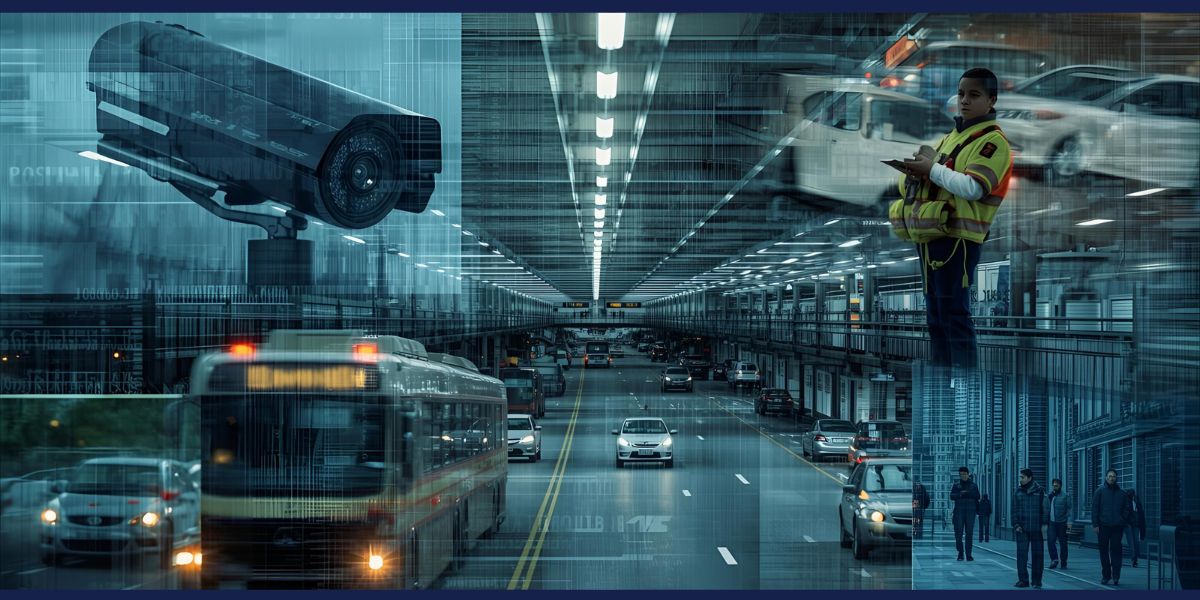
Smart Transportation: How CCTV is Powering Safer Public Transit
Smart Transportation: How CCTV Powers Safer Public Transit with AI Public transportation systems face constant pressure to improve safety, efficiency, and passenger experience. Modern CCTV for public transport is now more than a security tool. With AI-driven analytics, it is transforming how bus stations, metros, airports, and fleet operators manage daily operations. Enhancing Passenger Safety with CCTV Safety remains the top priority for transit authorities. Passenger safety cameras deter crime, monitor suspicious activity, and provide evidence during incidents. Bus station surveillance also helps security teams respond faster to emergencies. In metros and airports, AI-enabled CCTV can detect unattended baggage or identify unusual crowd behavior. This proactive monitoring reduces risks and keeps passengers secure. Bus Station Surveillance for Smarter Operations Traditional cameras recorded footage without adding much value beyond evidence. Today, bus station surveillance systems analyze passenger flow in real time. Operators gain insights into crowd density, peak hours, and service demand. These analytics help adjust bus schedules, manage waiting areas, and prevent overcrowding. By combining safety with efficiency, stations deliver a smoother travel experience. AI Video Analytics in Metro and Airports Metros and airports face heavy passenger volumes daily. Transit AI CCTV systems track foot traffic patterns, identify congestion points, and guide staff in crowd control. Real-time alerts help avoid bottlenecks during rush hours. Airports also benefit from automated monitoring of queues at security and check-in counters, ensuring faster processing and better customer satisfaction. Passenger Counting for Data-Driven Decisions Modern CCTV can count passengers entering and exiting buses, trains, or terminals. This data supports route optimization and resource allocation. Fleet operators use CCTV for public transport to measure occupancy levels and adjust vehicle deployment. Accurate passenger counting also provides valuable insights for long-term infrastructure planning. Improving Fleet Management with AI CCTV Fleet operators rely on transit AI CCTV to enhance driver and vehicle performance. Cameras monitor driver behavior, ensuring compliance with safety rules. AI can detect fatigue, mobile phone use, or unsafe driving. This helps reduce accidents and improves operational standards. Combined with GPS and telematics, CCTV becomes a key part of smart fleet management. Operational Efficiency Through Intelligent Surveillance AI-powered surveillance goes beyond monitoring. It automates incident detection, predicts peak times, and improves staffing efficiency. For example, automated alerts notify staff of equipment failures, unattended luggage, or overcrowded areas. This reduces manual effort and ensures quick decision-making, leading to cost savings and reliable services. The Future of CCTV in Public Transit The role of CCTV will continue to expand as cities adopt smart mobility solutions. Passenger safety cameras will integrate with AI to predict risks before they occur. Transit systems will use surveillance to balance security, efficiency, and passenger experience. From bus stations to airports, CCTV is becoming a cornerstone of safe and intelligent transportation. FAQs: CCTV For Public Transport Why is CCTV important in public transportation? CCTV for public transport enhances passenger safety, prevents crime, and supports efficient operations. It also provides real-time insights through AI analytics. How do passenger safety cameras improve security? Passenger safety cameras monitor activity on buses, metros, and stations. They deter crime, help detect suspicious behavior, and provide evidence for investigations. What role does bus station surveillance play in operations? Bus station surveillance tracks crowd movement, identifies peak hours, and prevents overcrowding. This helps operators manage schedules and improve passenger flow. Can CCTV systems count passengers automatically? Yes. AI-powered CCTV systems can count passengers entering and exiting. This data supports route planning, fleet deployment, and infrastructure improvements. How does transit AI CCTV improve efficiency? Transit AI CCTV provides real-time alerts for congestion, safety risks, or equipment issues. It helps operators respond quickly and streamline operations. Are airports and metros using AI CCTV technology? Yes. Airports and metros use AI-enabled CCTV to manage queues, monitor security checkpoints, and control large passenger flows more effectively. Final Thoughts Modern CCTV for public transport is no longer just about recording incidents. With AI-driven analytics, it now supports passenger safety, real-time monitoring, and operational efficiency. Whether through bus station surveillance, passenger counting, or transit AI CCTV, the technology is reshaping how public transit systems serve their communities. Book A Free Consultation With Yendra Today Related Posts, News & Articles July 29, 2025 Best CCTV Cameras in India… Read More July 29, 2025 Top 5 Smart Surveillance Features… Read More August 5, 2025 Top 5 CCTV Cameras for… Read More