

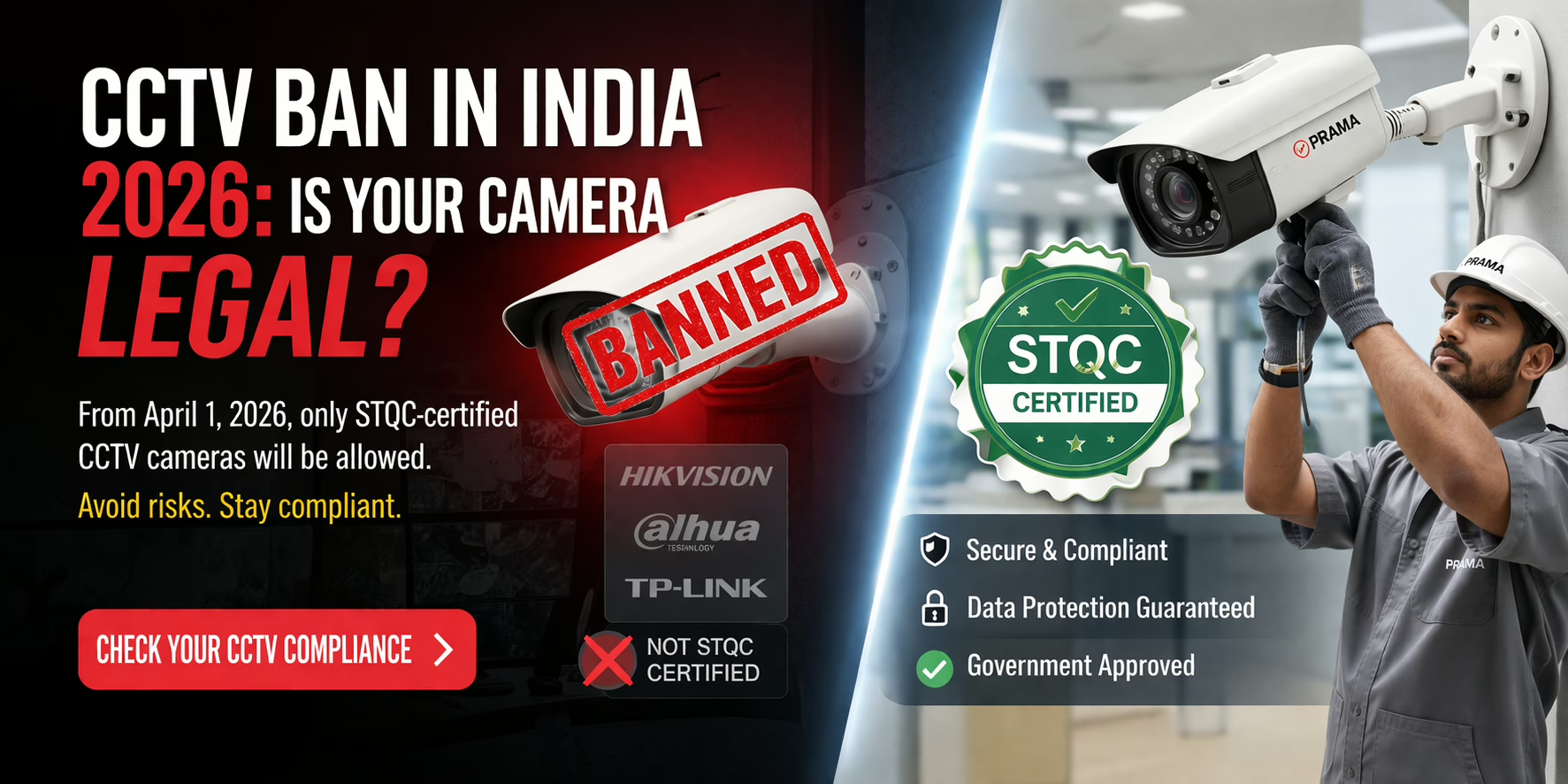
CCTV Ban in India Explained CCTV Ban in India: April 2026 Crackdown on Chinese Surveillance Giants Explained Summary India to restrict sale of certain CCTV brands from April 1, 2026 Major brands impacted Not a direct “ban” — but a compliance restriction Government tightening cybersecurity norms Primary reason: National security concerns Deadline enforcement begins April 2026 Impact on market dynamics Expected price increase No immediate ban on existing users Businesses face higher compliance pressure China has reacted negatively to India’s move Opportunity for Indian ecosystem Bottom Line 👉 The CCTV Ban in India is essentially a compliance-driven market reset👉 Non-certified (especially Chinese-origin) cameras are being phased out👉 Future of surveillance in India = secure, certified, and locally aligned systems Introduction India’s surveillance industry is undergoing its biggest transformation yet. In a decisive regulatory move, the government has effectively triggered a CCTV Ban in India targeting non-compliant and Chinese-origin surveillance equipment starting April 1, 2026. Over the past week, multiple reports from leading publications confirm that brands like Hikvision, Dahua, and TP-Link are being pushed out of the Indian market—not through a direct “ban law,” but via strict certification denial under new cybersecurity and compliance norms. What Is the CCTV Ban in India (April 2026)? Key Rule: From April 1, 2026, only STQC-certified and ER-compliant CCTV cameras can be: Manufactured Imported Sold in India What This Means: Cameras without certification = illegal to sell Devices with Chinese chipsets/firmware = unlikely to get certification Result: Effective ban on major Chinese brands Major News Developments (Last 7 Days) 1. India to Block Hikvision, Dahua & TP-Link Sales Recent reports confirm that India is set to block the sale of internet-connected CCTV systems from Chinese manufacturers. Certification for such devices is being denied under STQC rules These brands previously held ~30% market share in India 👉 This is the strongest indicator of a functional CCTV ban in India 2. Full Ban on Non-Certified CCTV Cameras from April 1 Another major update clarifies: All non-certified CCTV cameras are banned from sale Applies especially to Chinese-origin hardware or firmware Ends a 2-year transition period given to the industry 👉 This confirms that the CCTV ban in India is policy-driven, not sudden. 3. Market Reset: Indian Brands Take Control Reports highlight a massive shift: Indian companies now control ~80% of the market Chinese players are: Exiting Entering joint ventures Facing liquidation risks 👉 The CCTV ban in India is also a Make in India opportunity 4. Prices Expected to Rise by 15–20% Due to supply chain shifts: CCTV system costs may increase 15–20% Component sourcing shifting from China to Taiwan/local suppliers 👉 Short-term pain, long-term security gain. 5. China Reacts Strongly to India’s Decision China has officially reacted: Accused India of violating trade norms Raised concerns over economic impact 👉 Shows geopolitical implications of the CCTV ban in India. Why Is India Enforcing the CCTV Ban? 1. National Security & Surveillance Risks India has growing concerns that: Foreign-controlled cameras may enable: Remote access Data leaks Espionage Earlier global actions (like US bans) influenced this stance. 2. Cybersecurity Compliance (ER + STQC) New rules require: Hardware + firmware disclosure Source code verification Lab testing via STQC 👉 Ensures no backdoors or vulnerabilities 3. Supply Chain Transparency Manufacturers must now declare: Origin of chipsets (SoC) Firmware sources Testing certification 👉 Eliminates opaque Chinese supply chains 4. Push for Atmanirbhar Bharat The CCTV ban in India directly supports: Local manufacturing Indian OEM brands Domestic cybersecurity ecosystem Which Brands Are Affected? Likely Impacted Hikvision Dahua TP-Link Other Chinese OEM/ODM brands 👉 These depend heavily on Chinese chipsets & firmware. Not Directly Banned (But Must Comply) Indian brands (CP Plus, Prama, Matrix, Sparsh) Global brands (Bosch, Honeywell) 👉 As long as they meet certification norms. Is It a Complete Ban? (Important Clarification) Technically: ❌ Not a blanket ban✅ A compliance-based restriction Reality: If a product fails certification → cannot be sold Most Chinese cameras fail due to origin dependencies 👉 So practically, it behaves like a CCTV ban in India Impact on Different Stakeholders 1. Homeowners Existing cameras → No immediate ban New purchases → Must be compliant 👉 Recommendation: Upgrade only when necessary 2. Businesses & Offices Compliance becomes mandatory for audits Non-compliant systems = risk in tenders & insurance 3. CCTV Dealers & Integrators Biggest impact segment: Must shift inventory immediately Risk of dead stock (Chinese brands) Need to educate customers on compliance 4. Builders & Real Estate New projects must install: ER-compliant systems Certified surveillance 👉 Non-compliance can delay approvals Impact on CCTV Prices & Availability Short-Term Effects Price increase: 15–20% Supply shortages Reduced options Long-Term Effects Stable pricing Better quality products Stronger domestic ecosystem Indian Brands Gaining Momentum The CCTV ban in India is creating a massive opportunity: Leading Beneficiaries: CP Plus Prama India Matrix Sparsh Qubo 👉 These brands are shifting to: Non-Chinese chipsets Local firmware Certified manufacturing Global Context: India Is Not Alone India’s move aligns with global trends: USA banned Hikvision & Dahua (FCC) UK restricted Chinese surveillance Australia imposed limitations 👉 India is now part of a global surveillance security shift What Should Buyers Do Now? Before Buying CCTV in India (Post-April 2026) Checklist: ✅ STQC Certification ✅ ER Compliance ✅ Non-Chinese chipset (preferred) ✅ Verified firmware source Avoid: Grey market imports Cheap unbranded IP cameras “Rebranded Chinese OEM” devices Future Outlook of CCTV Ban in India What to Expect Next Stricter enforcement checks Possible audits for enterprises Expansion to: IoT devices Smart home security Market Forecast Indian brands dominance: 80%+ Increased R&D in surveillance tech Rise of AI-based compliant systems CCTV Ban in India: What It Means for Bangalore Homes & Businesses With Bangalore being a major tech and business hub, the impact of the CCTV Ban in India is even more significant here. Why Bangalore Is Highly Affected High adoption of IP-based CCTV systems Widespread use of imported/Chinese OEM cameras Increasing compliance checks in: Tech parks Warehouses Gated communities CCTV Compliance Requirements in Bangalore (2026) For installations across Bangalore,

Security Cameras Innovation: CP PLUS and L&T Semiconductor Partner to Transform India’s Surveillance Industry
Security Camera Tech: CP PLUS & L&T India Partnership Security Camera Innovation: CP PLUS and L&T Semiconductor Partner to Transform India’s Surveillance Industry TL;DR Summary CP PLUS and L&T Semiconductor Technologies have partnered to manufacture 9 million advanced Security cameras in India over the next three years. These cameras will be powered by India-designed Vision System-on-Chip (SoC), setting a new standard for smart surveillance technology. The partnership marks a major step toward Atmanirbhar Bharat (self-reliance) in the security and surveillance industry. It will reduce dependency on imported components and boost India’s position in the global CCTV and semiconductor markets. The new range of high-performance IP cameras will feature enhanced cybersecurity, reliability, and AI capabilities. This initiative strengthens India’s manufacturing ecosystem and ensures trusted, locally made surveillance solutions for businesses and industries. The Partnership: A New Era for Security Camera Manufacturing The partnership between CP PLUS and L&T Semiconductor Technologies (LTSCT) unites two leaders in Indian innovation to produce millions of CCTV cameras with advanced Vision System-on-Chip (SoC) technology. These high-resolution surveillance cameras support up to 8-megapixel imaging, ensuring sharper, smarter, and more reliable monitoring for modern security needs. This collaboration is especially significant for Bangalore’s businesses, IT parks, and industrial facilities, where strong security camera systems are critical for daily operations and asset protection. The Vision SoCs by LTSCT are designed with advanced cryptographic architecture, offering powerful cybersecurity protection for sensitive data. This innovation helps prevent data breaches and cyber threats, which are growing concerns for enterprises using conventional CCTV systems. According to Aditya Khemka, Managing Director of Aditya Infotech Ltd (CP PLUS), this collaboration marks a new era in India’s surveillance industry: “By integrating LTSCT’s advanced SoC technology, we’re building smarter, more secure, and India-made security cameras that redefine the future of surveillance.” This partnership reinforces India’s capability to deliver world-class surveillance cameras that combine performance, security, and local innovation—ideal for businesses seeking trusted, future-ready CCTV solutions Technology at the Core: Vision SoC and Advanced Features At the core of the CP PLUS and L&T Semiconductor Technologies partnership is LTSCT’s Vision System-on-Chip (SoC) — a major breakthrough in India’s semiconductor and surveillance camera technology. Designed and developed entirely in India, these chips reflect the Atmanirbhar Bharat vision, strengthening India’s independence in high-tech manufacturing and CCTV camera innovation. Key Technological Highlights High-Resolution Imaging: Supports up to 8-megapixel clarity, delivering superior video quality for security cameras used in commercial, residential, and industrial surveillance. Advanced Cryptography: Built-in cybersecurity protection safeguards sensitive data, addressing the biggest challenge faced by conventional CCTV cameras in business environments. Energy Efficiency: Optimized for low power consumption, reducing long-term operating costs for enterprises with large surveillance camera networks. AI Integration: Vision AI SoCs enable advanced features like facial recognition, motion detection, and behavioral analysis, ensuring intelligent and proactive security management. Sandeep Kumar, Chief Executive of L&T Semiconductor Technologies, shared: “Our mission is to design semiconductors that are energy-efficient, high-performing, and vital for India’s technological sovereignty. Partnering with CP PLUS allows us to bring our India-designed Vision AI SoCs into millions of surveillance cameras that protect lives and assets every day.” For more on CP PLUS’s range of security cameras, visit CP PLUS Official Website.To learn about L&T Semiconductor Technologies and their innovations, explore L&T Technology Services. The Atmanirbhar Bharat Vision: Building Technological Sovereignty The CP PLUS and L&T Semiconductor Technologies partnership stands as a powerful example of Atmanirbhar Bharat (Self-Reliant India)—a vision championed by Prime Minister Narendra Modi to strengthen India’s technological independence across key sectors like semiconductors, defense, telecommunications, and security systems. At the SEMICON India 2025 Summit, PM Modi highlighted the country’s growing chip-making ambitions, stating: “The power of the 21st century is limited to a small chip. This chip has the power to accelerate the development of the world… The day is not far when India’s smallest chip will drive the world’s biggest change.” Milestones such as the development of Vikram, India’s first fully indigenous 32-bit microprocessor designed by ISRO, have paved the way for India’s entry into global semiconductor leadership. How the Security Camera Industry is Becoming Atmanirbhar National Security: By using India-designed semiconductor chips, locally manufactured security cameras eliminate foreign dependencies and minimize cybersecurity risks such as data leaks and backdoor access. Data Sovereignty: Indigenous chipsets ensure that video data from CCTV cameras stays protected under India’s privacy and surveillance regulations, ensuring full compliance and trust. Economic Growth: Domestic production of surveillance cameras and semiconductor components creates new jobs, encourages local innovation, and boosts India’s manufacturing ecosystem. Technology Leadership: With collaborations like CP PLUS and L&T Semiconductor, India is positioning itself as a global hub for next-generation CCTV and surveillance technologies. This Atmanirbhar movement is not only making India self-reliant but also redefining the future of security cameras and surveillance systems with smart, secure, and locally engineered innovations. Explore how CP PLUS is driving India’s surveillance manufacturing leadership at CP PLUS Official Website and learn more about L&T Semiconductor Technologies’ role in India’s chip design ecosystem at L&T Technology Services Bangalore: A Hub for Smart Surveillance Solutions Bangalore has become a leading hub for advanced security camera systems, thanks to its position as India’s technology capital and the city’s ongoing Smart City initiatives. Under the Bangalore Safe City Project, implemented by Honeywell, over 7,000 AI-powered surveillance cameras have been installed at more than 3,000 key locations, enabling real-time monitoring and analytics for enhanced urban safety. For business owners in Bangalore—whether managing IT parks, industrial facilities, retail stores, or commercial complexes—the rise of locally manufactured, high-performance CCTV cameras offers multiple strategic advantages: Key Benefits for Bangalore Businesses Enhanced Security: Next-generation CCTV cameras with 8MP resolution, night vision, and AI video analytics ensure 24×7 surveillance for offices, warehouses, and large commercial spaces. Cybersecurity Compliance: Integrated cryptographic protection and adherence to STQC standards safeguard sensitive business data and support compliance with security regulations. Cost Efficiency: Made-in-India surveillance cameras reduce import costs and lower the total cost of ownership—making enterprise-grade protection affordable for SMBs. Reliable Supply Chain: Domestic manufacturing ensures faster delivery, easy

Best Security Systems for Apartments in 2025: Smart Solutions for Bangalore Residents
Best security systems for apatments :-beyond CCTV Surveillance Best Security Systems for Apartments in 2025: Smart Solutions for Bangalore Residents Best security systems for apartments are redefining urban living in Bangalore. As the city becomes increasingly digital, tech-savvy residents are seeking advanced security solutions for their homes. The year 2025 marks a pivotal shift in residential security technology, with AI-powered systems, biometric access controls, and seamless smart home integration setting a new standard for apartment safety. The Evolution of Apartment Security in 2025 Pro Tip: The best security systems for apartments go far beyond basic cameras and alarms—they create an integrated ecosystem that learns your habits, predicts threats, and responds intelligently to different scenarios. The residential security landscape has evolved rapidly, with the global smart home security market expected to surpass $135 billion by 2025. For Bangalore residents, this transformation is especially significant, driven by the city’s tech-savvy population and rising security concerns in gated communities. Key Security Challenges for Bangalore Apartments: Why You Need the Best Security Systems for Apartments Bangalore’s rapid urbanization has introduced unique security challenges that demand the best security systems for apartments.These challenges include: High visitor traffic in gated communities Package theft and unauthorized access Need for remote monitoring during frequent business travel Integration with existing smart home systems Compliance with local CCTV regulations Best Apartment Security Systems for 2025 1. Smart Biometric Door Locks: The Future of Access Control Pro Tip: The best security systems for apartments now include biometric locks, revolutionizing security by eliminating traditional keys and offering multiple access methods for different user types. Recommended Options: Yale smart lock with good features (app + fingerprint + connectivity : ₹25,000 to ₹45,000 range eSSL Smart Lock: For eSSL, for a solid mid-feature lock, expect in the ballpark of ₹10,000 to ₹25,000, unless you want very advanced features (then it might reach higher) Very basic / entry models (lower features or less known variants) might go under ₹10,000 (especially for Yale’s simpler ones) but tradeoffs will be significant. Advanced Features for 2025: 3D facial recognition technology Temporary access codes for guests and service staff Real-time access logs and notifications Battery backup lasting 6-12 months Integration with apartment visitor management systems 2. AI-Powered CCTV Systems: Intelligent Surveillance Pro Tip: The best security systems for apartments feature the latest AI-powered CCTV technology, reducing false alarms by up to 90% by accurately distinguishing between humans, pets, and vehicles. Cost Breakdown for Bangalore Apartments: Basic Setup (4-6 cameras): ₹20,000-₹40,000 Mid-Range Setup: ₹50,000-₹1,00,000 Advanced Setup with PTZ cameras: ₹2,00,000 Key AI Features: Facial recognition for known residents Behavioral analysis detecting unusual activity Automatic alerts for loitering or unauthorized access Cloud storage with local backup options Night vision and motion-triggered recording Smart Home Integration: The Complete Security Ecosystem Wireless Security Systems: Maximum Flexibility Expert Recommendation: For Bangalore apartments, the best security systems for apartments often feature wireless technology, offering easy installation, seamless scalability, and no permanent modifications—ideal for both owned and rental properties. Advantages: Installation within hours, not days No drilling or permanent wiring Easy relocation when moving apartments Cellular backup for power outages Integration with existing Wi-Fi networks Mobile App Control: Security at Your Fingertips Pro Tip: The best security systems for apartments in 2025 provide comprehensive mobile app control, enabling residents to manage everything from visitor access to emergency alerts with ease. Essential App Features: Live video streaming and two-way communication Remote lock/unlock capabilities Visitor management and pre-approval systems Real-time alerts and notifications Integration with building management systems Emergency panic buttons Staff attendance tracking Cost-Effective Security Solutions for Different Apartment Types 1 BHK Apartments: Essential Protection Budget Range: ₹7,500-₹15,000 Smart doorbell with camera (₹4,500-₹5,500) Motion sensor (₹2,000-₹3,000) Door/window sensors (₹1,000-₹2,000) Basic mobile app monitoring 2-3 BHK Apartments: Comprehensive Coverage Budget Range: ₹25,000-₹50,000 Biometric door lock (₹15,000-₹25,000) Indoor security cameras (₹8,000-₹15,000) Complete sensor package (₹5,000-₹10,000) Professional monitoring service Independent Houses: Premium Security Budget Range: ₹50,000-₹1,50,000 Multi-camera CCTV system Perimeter security sensors Smart home automation integration 24/7 professional monitoring CCTV Compliance and STQC Certification for Apartments in Karnataka As of April 9, 2025, the Government of India has mandated that all CCTV products, including those used in residential apartments, must obtain STQC (Standardisation Testing and Quality Certification) certification. This initiative, led by the Ministry of Electronics and Information Technology (MeitY) and enforced by the Bureau of Indian Standards (BIS), aims to ensure that surveillance systems meet stringent quality and cybersecurity standards. Pro Tips for STQC-Compliant Apartment Security: Verify Certification: Always ensure your CCTV system is listed on the STQC-certified product list before installation. Consult Experts: Work with certified professionals to navigate the STQC certification process and confirm your system meets all essential requirements. Stay Updated: Regularly monitor STQC updates or consult experts to maintain ongoing compliance. Following these tips ensures your best security systems for apartments are fully compliant, delivering maximum safety and peace of mind. Future-Proofing Your Apartment Security Tech Trend Alert: The security systems of 2025 will feature enhanced AI capabilities, 5G connectivity, and seamless integration with smart city infrastructure. Key Developments: 5G-powered real-time monitoring Predictive analytics for threat assessment Voice-controlled security management Conclusion For tech-savvy residents in Bangalore, 2025 represents a turning point in residential security. The rise of AI-powered CCTV, biometric smart locks, mobile app control, and wireless security ecosystems has transformed apartment protection from basic surveillance into a fully connected, intelligent network. In summary, the best security systems for apartments in 2025 combine four key pillars: Smart Access Control – Biometric and app-based door locks secure entry points while offering flexibility for family members, guests, and staff. Intelligent Surveillance – AI-driven CCTV systems provide accurate detection, real-time alerts, and compliance with STQC regulations. Seamless Integration – Wireless, app-enabled solutions ensure all devices work together across the apartment’s ecosystem. Scalability & Compliance – Modular setups and certified systems future-proof your investment while meeting government standards. Final Recommendations: Start with basics: Secure entry points with smart locks and door sensors Scale gradually: Add cameras and advanced features as needed Prioritize integration: Choose systems that work together
Smart Transportation: How CCTV is Powering Safer Public Transit
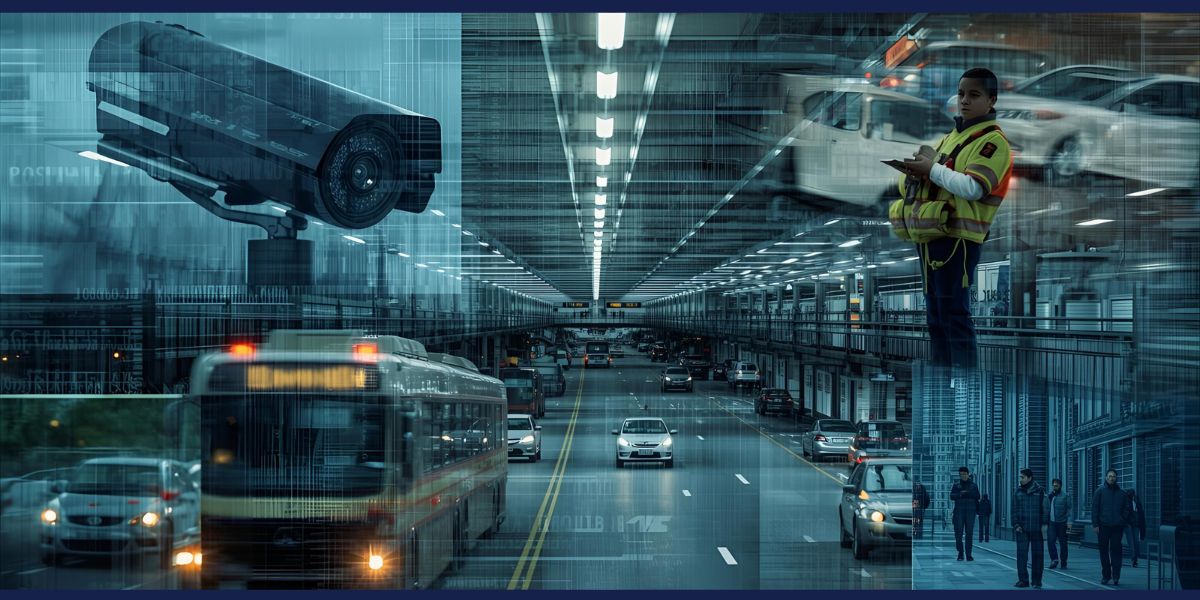
Smart Transportation: How CCTV Powers Safer Public Transit with AI Public transportation systems face constant pressure to improve safety, efficiency, and passenger experience. Modern CCTV for public transport is now more than a security tool. With AI-driven analytics, it is transforming how bus stations, metros, airports, and fleet operators manage daily operations. Enhancing Passenger Safety with CCTV Safety remains the top priority for transit authorities. Passenger safety cameras deter crime, monitor suspicious activity, and provide evidence during incidents. Bus station surveillance also helps security teams respond faster to emergencies. In metros and airports, AI-enabled CCTV can detect unattended baggage or identify unusual crowd behavior. This proactive monitoring reduces risks and keeps passengers secure. Bus Station Surveillance for Smarter Operations Traditional cameras recorded footage without adding much value beyond evidence. Today, bus station surveillance systems analyze passenger flow in real time. Operators gain insights into crowd density, peak hours, and service demand. These analytics help adjust bus schedules, manage waiting areas, and prevent overcrowding. By combining safety with efficiency, stations deliver a smoother travel experience. AI Video Analytics in Metro and Airports Metros and airports face heavy passenger volumes daily. Transit AI CCTV systems track foot traffic patterns, identify congestion points, and guide staff in crowd control. Real-time alerts help avoid bottlenecks during rush hours. Airports also benefit from automated monitoring of queues at security and check-in counters, ensuring faster processing and better customer satisfaction. Passenger Counting for Data-Driven Decisions Modern CCTV can count passengers entering and exiting buses, trains, or terminals. This data supports route optimization and resource allocation. Fleet operators use CCTV for public transport to measure occupancy levels and adjust vehicle deployment. Accurate passenger counting also provides valuable insights for long-term infrastructure planning. Improving Fleet Management with AI CCTV Fleet operators rely on transit AI CCTV to enhance driver and vehicle performance. Cameras monitor driver behavior, ensuring compliance with safety rules. AI can detect fatigue, mobile phone use, or unsafe driving. This helps reduce accidents and improves operational standards. Combined with GPS and telematics, CCTV becomes a key part of smart fleet management. Operational Efficiency Through Intelligent Surveillance AI-powered surveillance goes beyond monitoring. It automates incident detection, predicts peak times, and improves staffing efficiency. For example, automated alerts notify staff of equipment failures, unattended luggage, or overcrowded areas. This reduces manual effort and ensures quick decision-making, leading to cost savings and reliable services. The Future of CCTV in Public Transit The role of CCTV will continue to expand as cities adopt smart mobility solutions. Passenger safety cameras will integrate with AI to predict risks before they occur. Transit systems will use surveillance to balance security, efficiency, and passenger experience. From bus stations to airports, CCTV is becoming a cornerstone of safe and intelligent transportation. FAQs: CCTV For Public Transport Why is CCTV important in public transportation? CCTV for public transport enhances passenger safety, prevents crime, and supports efficient operations. It also provides real-time insights through AI analytics. How do passenger safety cameras improve security? Passenger safety cameras monitor activity on buses, metros, and stations. They deter crime, help detect suspicious behavior, and provide evidence for investigations. What role does bus station surveillance play in operations? Bus station surveillance tracks crowd movement, identifies peak hours, and prevents overcrowding. This helps operators manage schedules and improve passenger flow. Can CCTV systems count passengers automatically? Yes. AI-powered CCTV systems can count passengers entering and exiting. This data supports route planning, fleet deployment, and infrastructure improvements. How does transit AI CCTV improve efficiency? Transit AI CCTV provides real-time alerts for congestion, safety risks, or equipment issues. It helps operators respond quickly and streamline operations. Are airports and metros using AI CCTV technology? Yes. Airports and metros use AI-enabled CCTV to manage queues, monitor security checkpoints, and control large passenger flows more effectively. Final Thoughts Modern CCTV for public transport is no longer just about recording incidents. With AI-driven analytics, it now supports passenger safety, real-time monitoring, and operational efficiency. Whether through bus station surveillance, passenger counting, or transit AI CCTV, the technology is reshaping how public transit systems serve their communities. Book A Free Consultation With Yendra Today Related Posts, News & Articles July 29, 2025 Best CCTV Cameras in India… Read More July 29, 2025 Top 5 Smart Surveillance Features… Read More August 5, 2025 Top 5 CCTV Cameras for… Read More

CCTV in Retail: From Theft Prevention to Customer Insights
CCTV in Retail: From Theft Prevention to Customer Insights Retailers once relied on CCTV solely for security. Today, smart video systems deliver far more. Modern retail CCTV now powers analytics that transform store performance, improve customer experience, and boost sales. From Loss Prevention to Smart Retailing For years, stores used loss prevention cameras to deter theft. The sight of cameras alone reduced shoplifting risks. While this remains vital, retailers are realizing CCTV systems can also provide valuable business data. With the rise of AI video analytics in retail, the focus has shifted from just monitoring to understanding. Understanding Customer Behavior with CCTV Advanced customer analytics CCTV tools help stores learn how shoppers move through aisles. Heatmaps track foot traffic, revealing popular sections. Retailers use this data to improve product placement and highlight promotions. These insights make store layouts more efficient and customer-friendly. Queue Management Through AI Video Analytics Long queues frustrate shoppers and cost sales. Smart CCTV identifies when lines grow and alerts staff to open more counters. This proactive approach reduces waiting times and improves satisfaction. Supermarkets especially benefit from AI video analytics retail systems that optimize checkout operations in real time. Optimizing Store Layout with Video Data CCTV analytics show which areas receive less attention. Retailers can then rearrange displays or change signage to drive traffic. For example, if certain shelves remain unnoticed, repositioning products can improve visibility and sales. This process turns security cameras into valuable merchandising tools. Enhancing Staff Performance and Efficiency Video analytics also monitor staff productivity. Managers can review service times, restocking efficiency, and overall customer engagement. Unlike traditional supervision, these systems provide unbiased performance data. This leads to better training, smarter scheduling, and improved service quality Building a Safer and Smarter Shopping Experience Security remains a core function of retail CCTV. However, combining theft prevention with customer analytics CCTV delivers a double advantage. Stores protect assets while also creating personalized and engaging shopping journeys. Retailers who embrace AI-driven surveillance gain a clear edge over competitors. Future of CCTV in Retail As AI video analytics retail technology advances, cameras will become decision-making tools. They will forecast demand, predict peak hours, and even measure shopper emotions. The future of retail CCTV lies in blending safety with intelligence to drive growth. Final Thoughts Modern retail CCTV is no longer just about loss prevention. It now provides actionable insights for customer behavior, queue management, and store optimization. By adopting loss prevention cameras with AI-driven analytics, retailers unlock powerful tools that improve both security and profitability. FAQs: CCTV For Retail Stores ow is CCTV used in retail beyond security? Retail CCTV is now used for customer behavior analysis, queue management, and optimizing store layouts. It helps improve both security and business performance. What are customer analytics CCTV systems? Customer analytics CCTV systems use AI to track shopper movement, dwell time, and foot traffic. These insights guide merchandising and store design decisions. Can CCTV help reduce checkout queues? Yes. AI video analytics in retail detect long queues and alert staff to open additional counters. This reduces waiting times and enhances customer satisfaction. How do loss prevention cameras benefit retailers? Loss prevention cameras deter theft, monitor suspicious activity, and provide evidence during incidents. Combined with AI, they also deliver business intelligence. . Why should supermarkets invest in AI video analytics? Supermarkets gain real-time insights on customer flow, product placement, and peak shopping times. This leads to smarter staffing, higher sales, and better customer experiences. Does video analytics improve store layout optimization? Basic sea Absolutely. CCTV heatmaps highlight under-visited areas, enabling retailers to reposition products and create more engaging layouts. tups take 3–4 hours. Large projects may take 1–2 days. Ready to Transform Your Retail Store with Smart CCTV? Traditional surveillance is no longer enough. With AI video analytics in retail, you can reduce losses, improve customer experience, and optimize store performance. Whether you run a supermarket, convenience store, or large retail chain, our solutions help you unlock powerful business insights from your CCTV system. 👉 Book a Free Demo Today and see how our retail CCTV solutions can protect your store while boosting profits. Book A Free Consultation With Yendra Today Related Posts, News & Articles July 29, 2025 Best CCTV Cameras in India… Read More July 29, 2025 Top 5 Smart Surveillance Features… Read More August 5, 2025 Top 5 CCTV Cameras for… Read More Frequently Asked Questions 1. Is CCTV surveillance enough for business security? CCTV surveillance is a good starting point, especially for small offices, shops, and cafés. It helps deter theft, monitor activity, and provide video evidence. However, for larger businesses or high-risk environments like factories and warehouses, a complete security solution is recommended for better protection 2. What makes AI CCTV cameras different from traditional cameras? Unlike traditional cameras that only record, AI CCTV cameras can detect unusual movement, recognize faces, read license plates, and send real-time alerts. This makes surveillance proactive instead of reactive. 3. Do warehouses need complete security solutions or just CCTV? CCTV for warehouse setups are essential for monitoring entry points and storage areas. But for maximum security, warehouses benefit from a complete solution that includes intrusion alarms, access control, and AI-powered monitoring to prevent unauthorized entry. 4. Why are complete security solutions better for factories? Factories require compliance with safety standards and worker protection. A CCTV for factory setup helps with monitoring, but complete solutions integrate fire detection, accident alarms, and restricted access controls, ensuring safety and security on all levels. 5. Can offices rely only on a security camera system? Smaller offices can manage with a basic security camera system, but larger offices benefit from complete security solutions that integrate biometric access, AI surveillance, and fire safety systems. This ensures both security and productivity.
Cross-Industry Adoption of CCTV: From Retail to Transportation
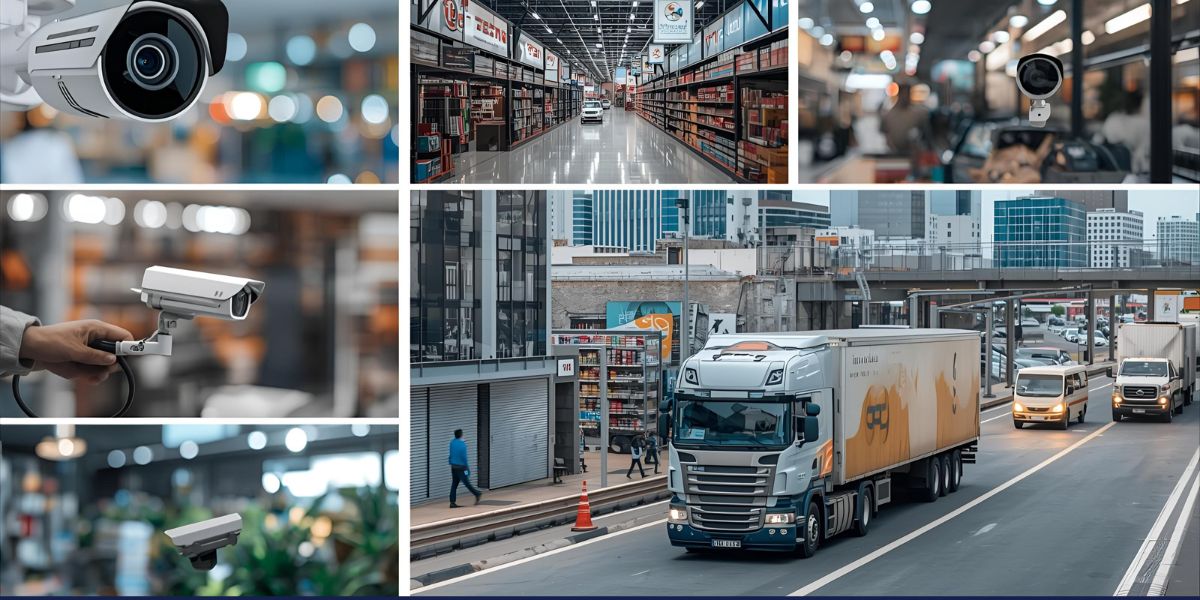
Cross-Industry Adoption of CCTV: From Retail to Transportation here’s a concise news roundup on cross-industry CCTV adoption (retail → transportation and beyond) with recent examples, trends, risks, and quick takeaways. Top recent developments (quick bullets) Transit agencies are rapidly adding CCTV + AI analytics for safety and operations.Transit operators are using AI video analytics for passenger counting, incident detection, and to improve response times — a clear growth area in public transit tech in 2025. securitymagazine.com+1 Large-scale public transport rollouts continue (example: NWKRTC in India).North Western Karnataka Road Transport Corporation recently upgraded and installed >1,000 CCTV cameras across bus terminals to enhance passenger safety and assist police investigations. This is an example of regional transport bodies investing in CCTV to improve traveler safety. (published very recently). The Times of India Retailers are deploying AI-enabled CCTV for loss prevention and customer/checkout monitoring — and it’s controversial.Supermarkets and retailers (example: Coles in Australia) are adding CCTV awareness monitors and AI analytics at high-value aisles and self-checkout to deter theft; privacy advocates pushed back calling it potentially stigmatizing and a privacy risk. Across 2024–2025 the trend is clear: AI video is becoming standard in retail loss prevention. Herald Sun+1 Smart-city CCTV projects are expanding but face operational challenges.Cities are linking cameras to Integrated Command & Control Centres for traffic, policing, and public-safety use, but many projects face issues (offline cameras, power/equipment theft, vendor/payment problems) that reduce effectiveness — e.g., Pimpri-Chinchwad reported many cameras not linked to the control center. This highlights the “tech + ops” gap in city deployments. StateTech Magazine+1 Market & technology trends: AI, higher resolution imaging, and new use cases (traffic/flow optimization, road safety, fleet monitoring).Analysts and industry articles show adoption driven by improved image quality, edge AI analytics, and expanded use beyond security (operations, traffic management, retail analytics, fleet/vehicle surveillance). The sector also flags concerns about accuracy and accountability as AI decisions drive actions. asmag.com+1 Why this matters Cross-industry momentum: CCTV is no longer only for crime detection — industries use video for safety, operations, analytics, and business intelligence (retail footfall and queueing, transit incident detection and passenger flow, city traffic optimization). Fora Soft+1 AI is the multiplier: Add analytics (object/behavior detection, anomaly alerts, people counting) and a camera becomes both a sensor and an automation trigger. That’s accelerating deployments across retail, transport, logistics, and municipal services. Tech Electronics Operational fragility: Large projects succeed only when procurement, power/comms, maintenance and data governance are solved — many smart-city programs still stumble on these non-tech issues. The Times of India+1 Privacy & regulation: As cameras move into customer-facing and public spaces with AI analytics, legal and ethical scrutiny (privacy groups, data-protection rules) is rising — expect tougher compliance and more public debate. Notable examples & reading NWKRTC installs >1,000 upgraded CCTV cameras across bus terminals — enhancing safety (Times of India). The Times of India Coles (Australia) deploys CCTV awareness monitors to deter retail theft — drew privacy criticism. Herald Sun Security Magazine: “AI analytics in public transit” — overview of agency use cases and benefits. securitymagazine.com UITP knowledge brief (2025) on AI in public transport — deeper technical/policy guidance. UITP Smart Cities and transport trend pieces summarising how CCTV fits into broader urban mobility and safety programs. Smart Cities Dive+1 Quick takeaways / implications If you’re deploying CCTV in retail/transport: invest equally in analytics, operations (maintenance & connectivity), and data governance. Fora Soft+1 Expect policy and public backlash in places where cameras + AI are visible — prepare privacy notices, retention policies, and accuracy/appeal processes. Herald Sun+1 Opportunities: operational efficiency (traffic, transit punctuality), customer analytics (retail), and safety (transport hubs, stations) are the main ROI drivers now. PixelPlex+1 Book A Free Consultation With Yendra Today Related Posts, News & Articles July 29, 2025 Best CCTV Cameras in India… Read More July 29, 2025 Top 5 Smart Surveillance Features… Read More August 5, 2025 Top 5 CCTV Cameras for… Read More Frequently Asked Questions 1. Is CCTV surveillance enough for business security? CCTV surveillance is a good starting point, especially for small offices, shops, and cafés. It helps deter theft, monitor activity, and provide video evidence. However, for larger businesses or high-risk environments like factories and warehouses, a complete security solution is recommended for better protection 2. What makes AI CCTV cameras different from traditional cameras? Unlike traditional cameras that only record, AI CCTV cameras can detect unusual movement, recognize faces, read license plates, and send real-time alerts. This makes surveillance proactive instead of reactive. 3. Do warehouses need complete security solutions or just CCTV? CCTV for warehouse setups are essential for monitoring entry points and storage areas. But for maximum security, warehouses benefit from a complete solution that includes intrusion alarms, access control, and AI-powered monitoring to prevent unauthorized entry. 4. Why are complete security solutions better for factories? Factories require compliance with safety standards and worker protection. A CCTV for factory setup helps with monitoring, but complete solutions integrate fire detection, accident alarms, and restricted access controls, ensuring safety and security on all levels. 5. Can offices rely only on a security camera system? Smaller offices can manage with a basic security camera system, but larger offices benefit from complete security solutions that integrate biometric access, AI surveillance, and fire safety systems. This ensures both security and productivity.

Top 5 Hikvision CCTV Cameras for Indian Homes in 2025: Your Guide to Advanced Home Security
Top 5 Hikvision CCTV Cameras for Indian Homes in 2025: Your Guide to Advanced Home Security Home security is a growing concern in India, making reliable CCTV systems essential for ensuring peace of mind. Hikvision, a global leader in security solutions, offers advanced CCTV cameras perfectly tailored to the unique needs of Indian households. Here’s a guide to the top 5 Hikvision CCTV cameras ideal for Indian homes in 2025. Hikvision DS-2CD2347G2-LU (ColorVu Technology) This model is renowned for its superior image clarity, capturing vivid, colorful footage even at night, thanks to Hikvision’s ColorVu technology. Ideal for Indian homes requiring clear night-time security. Key Features: 4MP Ultra-HD resolution Enhanced night vision with ColorVu Built-in microphone for audio recording IP67 weatherproof rating suitable for Indian climate Hikvision AcuSense DS-2CD2046G2-IU Designed with intelligent AcuSense technology, this CCTV camera accurately identifies humans and vehicles, greatly reducing false alarms. It’s perfect for urban and semi-urban Indian settings. Key Features: 4MP high-resolution video Human and vehicle detection with real-time alerts Built-in microphone Durable outdoor build suitable for harsh weather Hikvision DS-2CE76H0T-ITPF Turbo HD Camera An affordable yet powerful camera, this model is ideal for Indian homes looking for cost-effective solutions without compromising on security quality. Key Features: 5MP HD resolution for clear video EXIR 2.0 advanced infrared technology Effective night vision up to 20 meters Easy integration with existing DVR setups Hikvision DS-2CD2087G2-LU (4K Ultra HD) For those seeking top-tier security with ultra-high-definition video quality, this camera delivers impeccable 4K footage suitable for premium urban residences and villas in India. Key Features: 4K (8MP) ultra-high definition resolution ColorVu technology for vibrant night footage Smart AI analytics for intrusion detection Durable weatherproof and dustproof design Hikvision DS‑2CD2785G0‑IZS 8MP Dome Camera he Hikvision DS‑2CD2785G0‑IZS is an 8 MP (4K) varifocal dome camera Powered‑by‑Darkfighter technology. it ensures excellent low‑light and IR performance up to 30 m. With robust IP67 (weather‑resistant) and IK10 vandal‑proof housing, it’s suitable for outdoor deployment. Smart event features include line‑crossing, intrusion, unattended baggage and face detection, plus H.265+ compression to minimize bandwidth and storage needs For home monitoring, it’s ideal for exterior installations such as entryways, driveways, backyards or perimeter boundaries—areas needing clear wide‑angle coverage by day, and crisp infrared imaging by night. Key Features: 4 K Ultra‑HD Resolution Low‑Light Performance & IR Vision (Powered‑by‑Darkfighter + EXIR) Smart Detection Analytics Wide Dynamic Range & Intelligent Encoding Why Choose Hikvision for Your Home Security? Hikvision’s CCTV cameras combine cutting-edge technology with reliable performance, ensuring your home is protected around the clock. Whether you live in a bustling city apartment or a sprawling suburban bungalow, Hikvision provides tailored solutions to meet your specific needs. Choose Hikvision CCTV cameras to ensure safety, security, and peace of mind for your Indian home in 2025. Courtesy:https://www.hikvision.com/en/ Need Expert Advice? Yendra Techno Solution specializes in designing custom security solutions tailored to your unique requirements. Contact us today to get expert recommendations and installation services. Contact Us
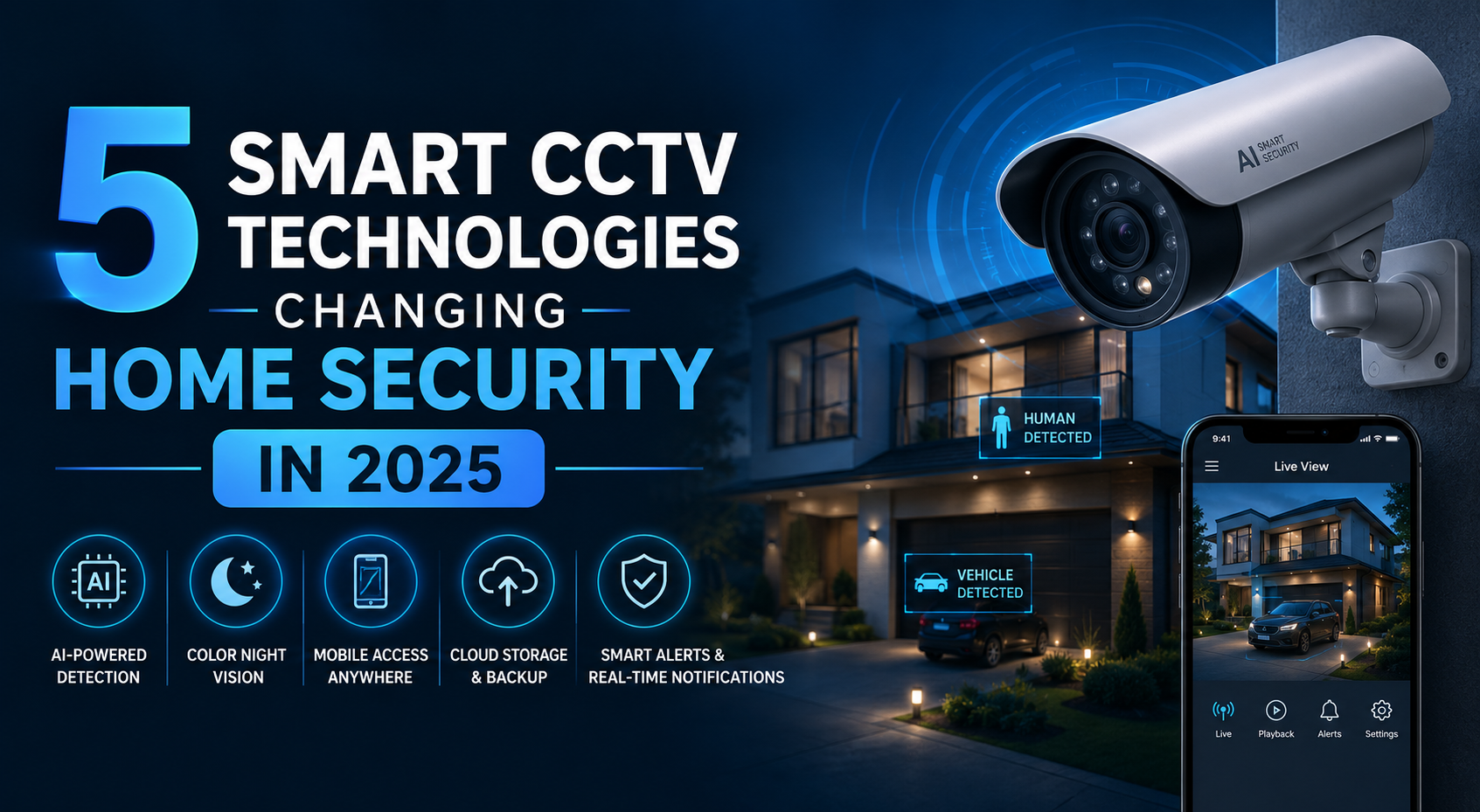
5 Smart CCTV Technologies Changing Home Security in 2025
Smart CCTV Technologies for Smarter Home Security (2026 Guide) | Yendra Home Home CCTV Surveillance Smart CCTV Technologies Guide HOME SECURITY · SMART CCTV GUIDE Smart CCTV Technologies for Smarter Home Security Not every camera marketed as “smart” behaves the same way. This guide breaks down the technologies that actually matter, and which ones fit your property, your risks and your daily routine. 9 min read By Yendra Team Updated Sept 2026 Get a Free Site Assessment Jump to Section QUICK ANSWER Smart CCTV differs from conventional CCTV by adding detection, analysis and alerts on top of recording. The technologies that matter most for a home are AI human/vehicle detection, real night vision (not just the label), remote mobile monitoring, perimeter coverage at boundary points, and — only where genuinely needed — integration with alarms or access control. Summary What Makes It Smart 5 Technologies Which Fits Your Home Full System Smart vs Conventional What to Look For Other Environments Bangalore Installs FAQs ●Summary What This Guide Covers Smart CCTV is not about the camera with the most features — it’s about matching the right detection, night vision and monitoring capabilities to what your property actually needs to protect. ✓What separates a smart CCTV system from a conventional one, in practical terms ✓The five smart technologies worth evaluating: AI detection, night vision, remote monitoring, perimeter protection, and automation ✓How the right setup changes across apartments, independent houses, villas and larger properties ✓The six components — beyond the camera itself — that make a complete system ✓A smart vs conventional CCTV comparison, and why “smart” isn’t automatically “better” ✓What to actually check before buying, beyond resolution and megapixels ●The Basics What Makes a CCTV System Smart? Q. What’s the real difference between smart and conventional CCTV? A conventional system captures, records and leaves you to review footage manually. A smart system adds detection, analysis and alerts on top — so it tells you what happened, not just that something moved. A conventional CCTV system primarily does three things: Capture→ Record→ Review A smart CCTV system extends that process: Capture→ Detect & Alert→ Respond The difference isn’t camera resolution — it’s what the system does with the footage it captures. Recording → Detection Traditional cameras record continuously, leaving hours of footage to search through. Smart CCTV identifies activity and generates relevant events, so you can locate what mattered instead of scrubbing through an entire night. Motion → AI Detection Basic motion detection reacts to people, vehicles, animals, trees, shadows, weather and insects alike. Intelligent detection filters this down to relevant events, making alerts more useful and cutting false notifications. Cameras → Connected Security Smart cameras connect with apps, networks and storage — letting you view footage remotely, receive selected alerts, and manage multiple cameras from one interface. Smart CCTV is about making surveillance more meaningful — not simply recording more video. ●Worth Considering 5 Smart CCTV Technologies Worth Considering Not every home needs every smart feature. The right combination depends on the property’s size, layout, entrances and security priorities. 01 AI Human & Vehicle Detection Q. Why does human and vehicle detection matter more than basic motion sensing? It focuses alerts on relevant activity — a person or vehicle — instead of triggering on every leaf, shadow or passing insect near a gate or driveway. This is especially useful for main gates, driveways, parking areas, building entrances, compound boundaries and side passages. For homeowners, the benefit is straightforward: fewer irrelevant events, and more meaningful security information. For a deeper technical breakdown of how AI-based surveillance works, see our AI-Powered CCTV Guide. 02 Advanced Night Vision Q. Does “night vision” mean a camera will perform well after dark? Not on its own. Night-time performance depends on ambient light, infrared illumination, low-light sensor quality, camera positioning, distance from the subject, and lighting around entrances — not just the presence of the feature. A gate camera may need to identify a person several metres away, while a camera over a well-lit entrance needs far less night-time capability. When evaluating smart CCTV, consider what you actually need to see at night — not just whether night vision is listed as a feature. 03 Remote Monitoring & Alerts Q. What does remote monitoring actually give you day to day? Live viewing, event notifications, recorded footage and playback by date and time — most valuable when the property is unoccupied, provided the network and notification settings are configured well. Remote monitoring depends on more than the camera itself — network reliability, system configuration and storage all shape the experience. A good system informs you without overwhelming you with unnecessary alerts. 04 Intelligent Perimeter Protection Q. Why does perimeter coverage matter for independent houses and villas? The boundary can matter as much as the front door. Cameras placed at compound gates, boundary walls, side passages and rear access points catch unwanted access before it reaches the house. The objective isn’t blanket coverage of every square metre — it’s positioning cameras around security-critical zones where unwanted access is most likely, or where early detection is valuable. This is where CCTV planning matters more than simply adding cameras. Not sure which of these five technologies your property actually needs? A short site walkthrough answers that faster than any spec sheet. Talk to a Specialist 05 CCTV & Security Automation Q. Should CCTV connect with other security devices like alarms or access control? Only when it’s driven by an actual security requirement. Integration should create a more coordinated response — more connected devices don’t automatically mean better security. Depending on the property and system design, surveillance can work alongside access control, alarms or other devices to build a coordinated security environment rather than isolated tools. ●Property Type Which Smart CCTV Technology Does Your Home Need? Q. Is there one smart CCTV setup that works for every property? No. Apartments, independent houses, villas and larger properties each have different access points and risk areas, so the right combination of technologies changes by

The Future of Home Security: How AI-Powered CCTV Keeps You Safe in 2025
The Future of Home Security: How AI-Powered CCTV Keeps You Safe In today’s rapidly evolving world, protecting your home and loved ones is more important than ever. Traditional security systems are giving way to smart home security solutions powered by artificial intelligence (AI). At Yendra Techno Solution, we’re proud to offer cutting-edge AI CCTV cameras that not only watch over your property but also learn and predict potential threats—offering you peace of mind like never before. What is an AI CCTV Camera? Unlike conventional CCTV cameras that only record video footage, an AI CCTV camera integrates intelligent algorithms to analyze video in real time. These cameras can: Detect unusual behaviors or movements automatically Differentiate between humans, animals, and objects Send instant alerts to your smartphone when suspicious activity occurs Help law enforcement with clear, actionable evidence This technology transforms passive surveillance into proactive protection. Smart Home Security: More Than Just Cameras Smart home security systems connect various devices—alarms, locks, sensors, and cameras—into one seamless ecosystem. With AI at the core, these systems can predict and prevent security breaches before they happen through predictive surveillance techniques. For example: AI learns your family’s daily routines and identifies unusual activity patterns. The system automatically arms or disarms itself based on your presence. Integration with smart door locks allows remote control and real-time monitoring. Predictive Surveillance: The Game Changer Traditional CCTV systems record events and rely on human monitoring. Predictive surveillance, powered by AI, takes a giant leap forward by analyzing video feeds in real time to forecast potential threats. It enables: Early detection of loitering or suspicious gatherings near your home Immediate alerts when someone tries to tamper with security devices Automated activation of alarms, sirens, or lighting to deter intruders This proactive approach reduces false alarms and helps you act before incidents escalate. Why Choose Yendra Techno Solution for Your AI-Powered Home Security? At Yendra Techno Solution, we specialize in advanced AI CCTV cameras and comprehensive smart home security solutions tailored to your unique needs. Our expert team ensures: Customized security setups for homes of all sizes 24/7 monitoring and quick response services Hassle-free installation and post-sale support Integration with your existing smart devices Secure your home the smart way with Yendra—where technology meets trust. Conclusion The future of home security lies in intelligent, interconnected systems that do more than just record—they predict, protect, and provide peace of mind. Embrace the power of AI CCTV cameras, smart home security, and predictive surveillance to keep your family safe around the clock. Contact Yendra Techno Solution today to upgrade your home security to the next level! Ready to experience the future of home security? Visit Yendra.in or call us now to schedule a free consultation. Contact Us Related news on CBSE CCTV school mandate The Economic Times, July 26 2025 CBSE mandates CCTV with real-time audio-visual monitoring in schools to strengthen student safety The Times Of India, July 21 2025 CBSE mandates CCTV with real-time audio-visual monitoring in schools to strengthen student safety The Economic Times, July 20 2025 CBSE mandates CCTV with real-time audio-visual monitoring in schools to strengthen student safety

Top 5 Smart Surveillance Features Builders Must Consider in 2025 Before Installing CCTV at Their Sites
Top 5 Smart Surveillance Features Builders Must Consider in 2025 Before Installing CCTV at Their Sites Construction sites are bustling hubs of activity and valuable assets, making security a top priority for builders and developers. As the construction industry evolves, traditional CCTV systems are no longer enough. Smart surveillance for construction sites combines advanced technologies to offer enhanced protection, real-time monitoring, and quick incident response. If you’re a builder or developer in Bangalore, here are the top 5 smart surveillance features you must consider before installing CCTV at your site. Remote CCTV Access for Builders Access from Anywhere 24/7 Connectivity Faster Decision-Making Gone are the days when security managers had to be physically present at the site to monitor cameras. With remote CCTV access for builders, you can view live feeds anytime, anywhere via smartphones, tablets, or desktops. This feature ensures you stay connected to your construction site round-the-clock, even when you’re offsite, allowing immediate decision-making and better project oversight. Motion Detection CCTV for Construction Site Detects Unauthorized Activity Sends Instant Alerts Reduces False Alarms Construction sites are dynamic environments, but unauthorized movement can be a major risk factor. Motion detection CCTV for construction site triggers instant alerts when any unusual activity is detected, such as after-hours movement or perimeter breaches. This reduces false alarms and saves valuable time by focusing attention only on real threats, improving site safety and asset protection. Smart CCTV Monitoring Construction AI-Powered Video Analysis Enhanced Accuracy Efficient Security Management Smart surveillance systems integrate AI and machine learning to analyze video streams automatically. Features like AI intrusion detection, object classification, and behavior analysis help differentiate between workers, vehicles, and potential intruders. This smart CCTV monitoring for construction enables proactive security management, reduces manpower requirements, and ensures timely intervention. Night Vision with Infrared & Low Light Capability 24/7 Coverage Clear View in Darkness Improved Safety & Security Construction activity may happen round the clock or during early mornings and late evenings. Night vision CCTV cameras with infrared and low-light sensors provide clear visuals even in total darkness. This ensures your site is protected 24/7, preventing theft, vandalism, or safety hazards when natural light is insufficient. CCTV with Alert System for Builders & Developers An effective CCTV with alert system for developers immediately notifies security personnel or builders of any suspicious activity through SMS, email, or app notifications. These alerts enable swift response to incidents, minimizing damage and loss. Modern alert systems can integrate with sirens, lighting, and access control to deter intruders instantly. Instant Alerts Quick Incident Response Smart Integration Comparison Chart: Top CCTV Brands for Construction Site Surveillance Features Hikvision CP Plus Dahua Resolution Up to 4K Ultra HD Up to 4K Ultra HD Up to 4K Ultra HD AI-Powered Analytics Human & Vehicle Detection (AcuSense) Smart Motion Detection AI Intrusion & Face Recognition Night Vision ColorVu, IR Night Vision IR up to 50 meters Starlight & IR Night Vision Remote Access Mobile App & Web Portal Mobile App & Cloud Access Mobile App & Cloud Access Alert & Notification Instant Alerts with Event Recording Real-Time Alerts via App & Email Push Notifications & Integration Weatherproof & Durability P67 / IK10 IP66 / IK10 IP67 / IK10 Representative Images Of the Respective Brands Smart CCTV Surveillence Implementation in India Bangalore – Prestige Group Construction Site Prestige Group integrated Hikvision AI-enabled cameras with remote monitoring capabilities on their high-rise project. The motion detection and real-time alerts helped prevent theft attempts during night shifts, saving thousands of rupees in losses. Delhi – DLF Construction Site DLF employed Dahua’s smart surveillance cameras equipped with AI intrusion detection. Their remote access feature allowed project managers to monitor the site live from different locations, improving security response times and site safety compliance. Why Builders & Developers in Bangalore Should Invest in Smart Surveillance Enhanced Security: Protect valuable materials and machinery from theft and vandalism. Operational Efficiency: Reduce manpower costs with automated monitoring. Safety Compliance: Ensure timely detection of hazards and unauthorized access. Peace of Mind: Access site monitoring anytime, anywhere for complete control. Planning CCTV installation? Get our comprehensive checklist designed specifically for construction sites to ensure you cover all critical aspects of smart surveillance. Download Your Free Checklist: CCTV Installation on Construction Site Secure your construction site with the best smart surveillance technologies. For expert consultation and installation in Bangalore, contact us today! Related news on CBSE CCTV school mandate The Economic Times, July 26 2025 CBSE mandates CCTV with real-time audio-visual monitoring in schools to strengthen student safety The Times Of India, July 21 2025 CBSE mandates CCTV with real-time audio-visual monitoring in schools to strengthen student safety The Economic Times, July 20 2025 CBSE mandates CCTV with real-time audio-visual monitoring in schools to strengthen student safety