Best CCTV Camera Near You

Cross-Industry Adoption of CCTV: From Retail to Transportation

here’s a concise news roundup on cross-industry CCTV adoption (retail → transportation and beyond) with recent examples, trends, risks, and quick takeaways.

Top recent developments (quick bullets)

  • Transit agencies are rapidly adding CCTV + AI analytics for safety and operations.
    Transit operators are using AI video analytics for passenger counting, incident detection, and to improve response times — a clear growth area in public transit tech in 2025. securitymagazine.com+1
  • Large-scale public transport rollouts continue (example: NWKRTC in India).
    North Western Karnataka Road Transport Corporation recently upgraded and installed >1,000 CCTV cameras across bus terminals to enhance passenger safety and assist police investigations. This is an example of regional transport bodies investing in CCTV to improve traveler safety. (published very recently). The Times of India
  • Retailers are deploying AI-enabled CCTV for loss prevention and customer/checkout monitoring — and it’s controversial.
    Supermarkets and retailers (example: Coles in Australia) are adding CCTV awareness monitors and AI analytics at high-value aisles and self-checkout to deter theft; privacy advocates pushed back calling it potentially stigmatizing and a privacy risk. Across 2024–2025 the trend is clear: AI video is becoming standard in retail loss prevention. Herald Sun+1
  • Smart-city CCTV projects are expanding but face operational challenges.
    Cities are linking cameras to Integrated Command & Control Centres for traffic, policing, and public-safety use, but many projects face issues (offline cameras, power/equipment theft, vendor/payment problems) that reduce effectiveness — e.g., Pimpri-Chinchwad reported many cameras not linked to the control center. This highlights the “tech + ops” gap in city deployments. StateTech Magazine+1
  • Market & technology trends: AI, higher resolution imaging, and new use cases (traffic/flow optimization, road safety, fleet monitoring).
    Analysts and industry articles show adoption driven by improved image quality, edge AI analytics, and expanded use beyond security (operations, traffic management, retail analytics, fleet/vehicle surveillance). The sector also flags concerns about accuracy and accountability as AI decisions drive actions. asmag.com+1

Why this matters

  • Cross-industry momentum: CCTV is no longer only for crime detection — industries use video for safety, operations, analytics, and business intelligence (retail footfall and queueing, transit incident detection and passenger flow, city traffic optimization). Fora Soft+1
  • AI is the multiplier: Add analytics (object/behavior detection, anomaly alerts, people counting) and a camera becomes both a sensor and an automation trigger. That’s accelerating deployments across retail, transport, logistics, and municipal services. Tech Electronics
  • Operational fragility: Large projects succeed only when procurement, power/comms, maintenance and data governance are solved — many smart-city programs still stumble on these non-tech issues. The Times of India+1
  • Privacy & regulation: As cameras move into customer-facing and public spaces with AI analytics, legal and ethical scrutiny (privacy groups, data-protection rules) is rising — expect tougher compliance and more public debate.

Notable examples & reading

  • NWKRTC installs >1,000 upgraded CCTV cameras across bus terminals — enhancing safety (Times of India). The Times of India

  • Coles (Australia) deploys CCTV awareness monitors to deter retail theft — drew privacy criticism. Herald Sun

  • Security Magazine: “AI analytics in public transit” — overview of agency use cases and benefits. securitymagazine.com

  • UITP knowledge brief (2025) on AI in public transport — deeper technical/policy guidance. UITP

  • Smart Cities and transport trend pieces summarising how CCTV fits into broader urban mobility and safety programs. Smart Cities Dive+1

Quick takeaways / implications

  • If you’re deploying CCTV in retail/transport: invest equally in analytics, operations (maintenance & connectivity), and data governance. Fora Soft+1

  • Expect policy and public backlash in places where cameras + AI are visible — prepare privacy notices, retention policies, and accuracy/appeal processes. Herald Sun+1

  • Opportunities: operational efficiency (traffic, transit punctuality), customer analytics (retail), and safety (transport hubs, stations) are the main ROI drivers now. PixelPlex+1

Related Posts, News & Articles

Frequently Asked Questions

CCTV surveillance is a good starting point, especially for small offices, shops, and cafés. It helps deter theft, monitor activity, and provide video evidence. However, for larger businesses or high-risk environments like factories and warehouses, a complete security solution is recommended for better protection


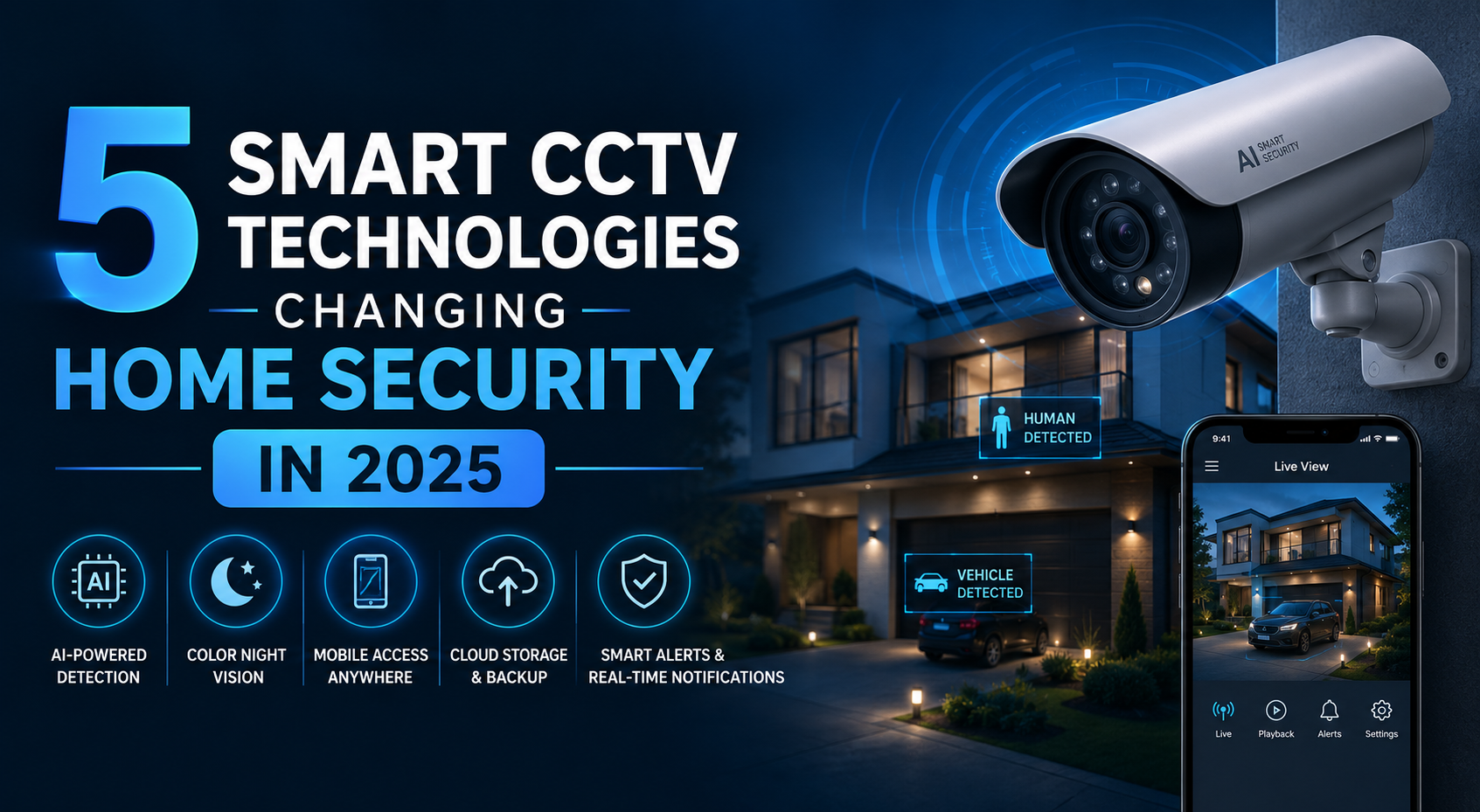
Unlike traditional cameras that only record, AI CCTV cameras can detect unusual movement, recognize faces, read license plates, and send real-time alerts. This makes surveillance proactive instead of reactive.

CCTV for warehouse setups are essential for monitoring entry points and storage areas. But for maximum security, warehouses benefit from a complete solution that includes intrusion alarms, access control, and AI-powered monitoring to prevent unauthorized entry.

Factories require compliance with safety standards and worker protection. A CCTV for factory setup helps with monitoring, but complete solutions integrate fire detection, accident alarms, and restricted access controls, ensuring safety and security on all levels.

Smaller offices can manage with a basic security camera system, but larger offices benefit from complete security solutions that integrate biometric access, AI surveillance, and fire safety systems. This ensures both security and productivity.

Get Free Quote