


AI-powered CCTV cameras with intelligent threat detection capabilitie AI CCTV Cameras: Transforming Cybersecurity for a Safer 2025 In today’s hyper-connected world, cybersecurity threats are no longer confined to firewalls and network perimeters. Physical security and digital security have merged — and at the intersection stands a powerful new ally: AI-powered CCTV cameras. From real-time anomaly detection to automated incident response, AI CCTV systems are transforming how businesses protect their infrastructure, data, and people. Why Cybersecurity Needs Physical Surveillance Traditional cybersecurity measures mainly protect networks, servers, and applications. But without the added layer of AI CCTV Cameras, physical breaches like unauthorized entry, equipment tampering, or insider threats can easily bypass even the strongest digital defenses. Physical + Cyber Integration Helps You: Detect intrusions before they reach your network. Prevent tampering with critical infrastructure like data centers and server rooms. Provide real-time visual intelligence to incident response teams. Strengthen compliance with emerging surveillance regulations. As modern workplaces, residential complexes, and critical installations become more connected, AI CCTV surveillance is no longer optional—it’s essential. How AI Enhances Traditional CCTV Systems Unlike conventional cameras that simply record footage, AI CCTV cameras actively analyze video streams to detect suspicious patterns in real time. Key AI Capabilities: Anomaly Detection: Algorithms learn normal patterns of behavior and raise alerts when deviations occur (e.g., loitering near restricted areas after hours). Facial & Object Recognition: Identify individuals or objects with high accuracy to track movements or flag blacklist entries. Edge Computing: On-device processing reduces latency, enabling rapid detection and minimizing dependence on central servers. Predictive Intelligence: Continuous learning helps systems adapt to changing environments, improving threat identification over time. The result is a proactive surveillance layer that identifies incidents early—often before security personnel or legacy systems can react. Real-Time Threat Detection in Action Imagine a data center in Bangalore. After midnight, an individual lingers near a server room door.AI CCTV cameras immediately recognize the unusual behavior, cross-checks access logs, and sends an alert to the security team. Simultaneously, it can trigger automatic door locks or alarm systems—reducing response time from minutes to seconds. This kind of integrated, automated response is what makes AI CCTV such a powerful cybersecurity ally. Challenges and Best Practices While AI CCTV cameras are transformative, their deployment requires thoughtful planning. Key Challenges: Privacy & Compliance: Ensuring video analytics comply with local data protection and MeitY regulations. False Positives: Over-sensitive algorithms may raise unnecessary alerts if not fine-tuned. Environmental Factors: Poor lighting, network outages, or camera placement can affect detection accuracy. Model Drift: AI models require periodic updates to maintain accuracy as environments evolve. Best Practices to Mitigate Risks: Use STQC-certified and MeitY-compliant systems to meet upcoming Indian surveillance mandates (effective April 2025). Conduct professional site assessments for camera placement, network design, and coverage optimization. Implement data governance policies to protect sensitive footage. Train staff on interpreting AI alerts and integrating them into incident response protocols. Regulatory Landscape & Compliance for AI CCTV Cameras in India As India modernizes its surveillance infrastructure, regulatory compliance has become a critical factor in deploying AI CCTV Cameras. Businesses and residential communities must align their security systems with updated standards to ensure legal and operational continuity. Key Regulatory Requirements: MeitY Guidelines (Effective April 2025): Mandate the use of certified and approved CCTV systems, with clear protocols for data storage, retention, and access control. STQC Certification: Ensures cameras meet Indian security and quality benchmarks, validating both hardware and AI capabilities. Data Protection & Privacy Laws: Require secure handling of video data, encryption, and strict user access control to avoid misuse. By adopting STQC-certified AI CCTV Cameras, organizations not only comply with national standards but also build a defensible security posture. Yendra Techno Solution integrates regulatory compliance into every deployment, helping clients stay ahead of policy changes while ensuring complete operational transparency. Choosing the Right AI CCTV Cameras: Expert Guidelines Selecting the right AI CCTV Cameras requires more than picking a brand — it involves understanding your environment, security priorities, and long-term goals. Here’s a structured approach from Yendra’s field experience with 6,500+ successful installations: Expert Guidelines: Assess Site-Specific Needs: Identify critical zones (entrances, server rooms, parking areas) and evaluate lighting, coverage angles, and connectivity. Evaluate AI Capabilities: Look for features like object detection, behavioral analytics, facial recognition, and anomaly alerts suited to your use case. Ensure Compliance: Always prefer STQC-certifiedand MeitY-compliant solutions to meet Indian regulatory mandates. Prioritize Edge Processing: Cameras with on-device analytics offer faster threat detection and reduce network dependency. Plan for Scalability: Choose systems that can integrate with access control, alarms, and cybersecurity tools as your needs evolve. Partnering with a trusted integrator like Yendra Techno Solution ensures that your AI CCTV investment is technically sound, regulation-ready, and future-proof. The Yendra Techno Solution Advantage As India accelerates its transition to AI-driven surveillance, choosing the right technology partner is crucial. Yendra Techno Solution brings unmatched expertise in advanced CCTV implementation: ✅ 6500+ successful installations across residential, commercial, and industrial sites. ✅ ISO 9001:2015 certified for quality management. ✅ Strategic partnerships with leading brands like CP Plus, Hikvision and TP-Link. ✅ 24/7 in-house technical support — ensuring rapid response and minimal downtime. ✅ Full compliance with MeitY & STQC mandates, keeping your business ahead of regulatory changes. Whether you need to secure a gated community, office park, or critical infrastructure, Yendra combines AI innovation with proven on-ground experience Looking Ahead The security landscape is evolving rapidly. As threats grow more sophisticated, AI CCTV cameras will play a central role in blending physical and digital defense. Organizations that invest early in AI-powered surveillance gain: Faster detection and response times Stronger regulatory compliance Reduced operational risks A smarter, more resilient security posture Ready to Upgrade Your Security? Stay compliant. Stay protected. Stay ahead.Contact Yendra Techno Solution for a customized consultation for AI CCTV cameras. Talk to Our CCTV Experts Today Related Posts, News & Articles October 3, 2025 Best Security Systems for Apartments… Read More September 8, 2025 CCTV Camera for Home: Smart… Read More August 18, 2025 CCTV Surveillance: Essential

AI-Powered Construction Site Security: How Bangalore Builders Can Stop the Rs 11.5 Lakh Theft Gangs
AI-Powered Construction Site Security: How Bangalore Builders Can Stop the Rs 11.5 Lakh Theft Gangs Construction theft is no longer a petty nuisance in Bangalore. The recent Peenya theft case, where a scaffolding supplier lost Rs 11.5 lakh worth of materials in just 10 days, highlights a serious crisis. North Bangalore hotspots like Dasarahalli, Bagalagunte, and Peenya have reported 15+ organized thefts in the past month. These incidents are not random. They follow clear patterns, often involving insider help and targeting sites between 2:30 AM and 4:00 AM. The Hidden Cost of Construction Theft in Bangalore Globally, the construction industry loses $300 million to $1 billion annually to theft. In India, the issue is underreported, but local contractors and suppliers feel the brunt. Data shows 27% of thefts are inside jobs, where workers or subcontractors assist gangs. For Bangalore builders, the losses go beyond materials. Delays, insurance disputes, and reputational damage pile on hidden costs. In highly competitive markets like Bangalore, where projects run on tight timelines, every theft can derail progress. Cement bags, rebar, scaffolding, and even diesel are stolen because they are easy to resell. Traditional CCTV construction site security often fails, as thieves know blind spots and exploit weak monitoring. Why Traditional CCTV Fails Construction Sites Most construction companies in Bangalore still rely on standard CCTV. The problem? Cameras record events but rarely prevent them. Security guards either fall asleep or miss incidents. Reviewing hours of footage after a theft is both reactive and costly. Worse, criminals study site patterns. They know when cameras are unattended and exploit those moments. With organized gangs operating across North Bangalore, basic CCTV is no longer enough. AI Video Analytics: Smarter Construction Site Security This is where AI CCTV construction technology changes the game. Unlike standard cameras, AI-powered surveillance detects unusual activity in real time. For example: Intrusion detection alerts when someone enters restricted zones at odd hours. Object recognition identifies if materials are being moved without authorization. Time-based alerts flag unusual movement between 2:30 AM and 4:00 AM. Vehicle tracking monitors trucks or pickups entering sites after working hours. Instead of passively recording, AI actively prevents theft. Builders receive instant mobile alerts, enabling guards or managers to intervene before losses occur. ROI: How AI CCTV Pays for Itself Many Bangalore builders hesitate, assuming AI systems are expensive. In reality, the return on investment (ROI) is significant. Let’s break it down: Average loss from a single theft: Rs 3–5 lakh Cost of AI video analytics system: Rs 1.5–3 lakh per site annually Payback period: 1–2 incidents prevented Compared to recurring theft losses, AI surveillance is not a cost but a protection investment. Builders also benefit from reduced insurance premiums, fewer project delays, and increased client trust. Implementation Guide for Bangalore Builders Switching to AI-powered security is easier than many assume. Here’s a quick roadmap: Site Audit – Identify entry points, blind spots, and high-value storage areas. Deploy AI Cameras – Cover perimeters, storage yards, and worker access zones. Integration – Connect AI analytics with mobile alerts for real-time monitoring. Access Control – Pair cameras with RFID tags or biometric worker check-ins. Regular Review – Audit AI reports to spot insider collusion or recurring patterns. Contractors should work with vendors specializing in AI video analytics for construction sites to ensure seamless deployment. Success Stories in Bangalore Several Bangalore builders have already adopted AI security with measurable success. Peenya Industrial Area: A contractor stopped three attempted thefts in one month after installing AI intrusion detection. Dasarahalli Project: A real estate developer reduced diesel pilferage by 40% by tracking night-time vehicle movement. Bagalagunte Site: A scaffolding supplier recovered stolen equipment within 24 hours thanks to AI-powered alerts. These cases prove that AI-driven construction theft prevention in Bangalore is no longer futuristic—it’s a necessity. The Future of Construction Site Security in Bangalore Organized theft gangs are getting bolder. Builders who still depend only on guards and standard CCTV risk repeating the Rs 11.5 lakh Peenya loss. AI-driven construction site security in Bangalore offers a proactive shield, ensuring projects stay on time and within budget. Investing in AI video analytics today is not just about preventing theft—it’s about protecting business continuity in one of India’s fastest-growing construction hubs. FAQs: AI CCTV For Construction Site How can builders prevent construction site theft in Bangalore? Builders can prevent theft by installing AI CCTV systems, controlling site access, and setting up real-time alerts. AI analytics detect suspicious movement and prevent losses before they occur Why is AI CCTV better than traditional security for construction sites? AI CCTV uses video analytics to detect intrusions, unusual movement, and insider theft patterns. Unlike standard CCTV, it actively prevents theft instead of just recording it. What is the cost of AI video analytics for construction sites in Bangalore? AI CCTV systems cost around Rs 1.5–3 lakh annually per site. This is far less than the average loss of Rs 3–5 lakh from a single theft. Which areas in Bangalore are most affected by construction theft? North Bangalore, including Peenya, Bagalagunte, and Dasarahalli, has reported multiple organized thefts in recent weeks, with losses crossing Rs 11.5 lakh. Is AI construction site security a good investment? Yes. Most builders recover their investment after preventing just one or two theft attempts. The ROI is high due to fewer delays, reduced insurance claims, and improved project security. Ready to upgrade to compliant surveillance? At Yendra Techno Solutions, we specialize in guiding businesses through this transition, ensuring you get STQC-certified CCTV systems installed with expert care. Talk to Our Security Experts Today Related Posts, News & Articles October 1, 2025 AI-Powered Construction Site Security: How… Read More September 29, 2025 Future of Surveillance in India… Read More September 29, 2025 Global CCTV Ban & Compliance Read More

CCTV in Retail: From Theft Prevention to Customer Insights
CCTV in Retail: From Theft Prevention to Customer Insights Retailers once relied on CCTV solely for security. Today, smart video systems deliver far more. Modern retail CCTV now powers analytics that transform store performance, improve customer experience, and boost sales. From Loss Prevention to Smart Retailing For years, stores used loss prevention cameras to deter theft. The sight of cameras alone reduced shoplifting risks. While this remains vital, retailers are realizing CCTV systems can also provide valuable business data. With the rise of AI video analytics in retail, the focus has shifted from just monitoring to understanding. Understanding Customer Behavior with CCTV Advanced customer analytics CCTV tools help stores learn how shoppers move through aisles. Heatmaps track foot traffic, revealing popular sections. Retailers use this data to improve product placement and highlight promotions. These insights make store layouts more efficient and customer-friendly. Queue Management Through AI Video Analytics Long queues frustrate shoppers and cost sales. Smart CCTV identifies when lines grow and alerts staff to open more counters. This proactive approach reduces waiting times and improves satisfaction. Supermarkets especially benefit from AI video analytics retail systems that optimize checkout operations in real time. Optimizing Store Layout with Video Data CCTV analytics show which areas receive less attention. Retailers can then rearrange displays or change signage to drive traffic. For example, if certain shelves remain unnoticed, repositioning products can improve visibility and sales. This process turns security cameras into valuable merchandising tools. Enhancing Staff Performance and Efficiency Video analytics also monitor staff productivity. Managers can review service times, restocking efficiency, and overall customer engagement. Unlike traditional supervision, these systems provide unbiased performance data. This leads to better training, smarter scheduling, and improved service quality Building a Safer and Smarter Shopping Experience Security remains a core function of retail CCTV. However, combining theft prevention with customer analytics CCTV delivers a double advantage. Stores protect assets while also creating personalized and engaging shopping journeys. Retailers who embrace AI-driven surveillance gain a clear edge over competitors. Future of CCTV in Retail As AI video analytics retail technology advances, cameras will become decision-making tools. They will forecast demand, predict peak hours, and even measure shopper emotions. The future of retail CCTV lies in blending safety with intelligence to drive growth. Final Thoughts Modern retail CCTV is no longer just about loss prevention. It now provides actionable insights for customer behavior, queue management, and store optimization. By adopting loss prevention cameras with AI-driven analytics, retailers unlock powerful tools that improve both security and profitability. FAQs: CCTV For Retail Stores ow is CCTV used in retail beyond security? Retail CCTV is now used for customer behavior analysis, queue management, and optimizing store layouts. It helps improve both security and business performance. What are customer analytics CCTV systems? Customer analytics CCTV systems use AI to track shopper movement, dwell time, and foot traffic. These insights guide merchandising and store design decisions. Can CCTV help reduce checkout queues? Yes. AI video analytics in retail detect long queues and alert staff to open additional counters. This reduces waiting times and enhances customer satisfaction. How do loss prevention cameras benefit retailers? Loss prevention cameras deter theft, monitor suspicious activity, and provide evidence during incidents. Combined with AI, they also deliver business intelligence. . Why should supermarkets invest in AI video analytics? Supermarkets gain real-time insights on customer flow, product placement, and peak shopping times. This leads to smarter staffing, higher sales, and better customer experiences. Does video analytics improve store layout optimization? Basic sea Absolutely. CCTV heatmaps highlight under-visited areas, enabling retailers to reposition products and create more engaging layouts. tups take 3–4 hours. Large projects may take 1–2 days. Ready to Transform Your Retail Store with Smart CCTV? Traditional surveillance is no longer enough. With AI video analytics in retail, you can reduce losses, improve customer experience, and optimize store performance. Whether you run a supermarket, convenience store, or large retail chain, our solutions help you unlock powerful business insights from your CCTV system. 👉 Book a Free Demo Today and see how our retail CCTV solutions can protect your store while boosting profits. Book A Free Consultation With Yendra Today Related Posts, News & Articles July 29, 2025 Best CCTV Cameras in India… Read More July 29, 2025 Top 5 Smart Surveillance Features… Read More August 5, 2025 Top 5 CCTV Cameras for… Read More Frequently Asked Questions 1. Is CCTV surveillance enough for business security? CCTV surveillance is a good starting point, especially for small offices, shops, and cafés. It helps deter theft, monitor activity, and provide video evidence. However, for larger businesses or high-risk environments like factories and warehouses, a complete security solution is recommended for better protection 2. What makes AI CCTV cameras different from traditional cameras? Unlike traditional cameras that only record, AI CCTV cameras can detect unusual movement, recognize faces, read license plates, and send real-time alerts. This makes surveillance proactive instead of reactive. 3. Do warehouses need complete security solutions or just CCTV? CCTV for warehouse setups are essential for monitoring entry points and storage areas. But for maximum security, warehouses benefit from a complete solution that includes intrusion alarms, access control, and AI-powered monitoring to prevent unauthorized entry. 4. Why are complete security solutions better for factories? Factories require compliance with safety standards and worker protection. A CCTV for factory setup helps with monitoring, but complete solutions integrate fire detection, accident alarms, and restricted access controls, ensuring safety and security on all levels. 5. Can offices rely only on a security camera system? Smaller offices can manage with a basic security camera system, but larger offices benefit from complete security solutions that integrate biometric access, AI surveillance, and fire safety systems. This ensures both security and productivity.
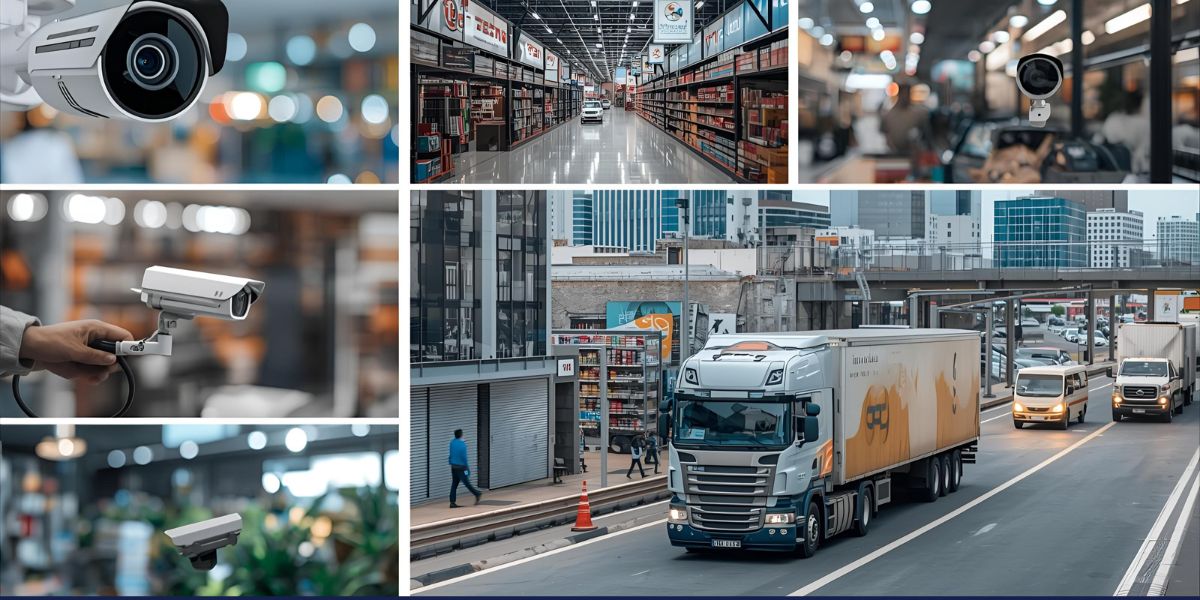
Cross-Industry Adoption of CCTV: From Retail to Transportation
Cross-Industry Adoption of CCTV: From Retail to Transportation here’s a concise news roundup on cross-industry CCTV adoption (retail → transportation and beyond) with recent examples, trends, risks, and quick takeaways. Top recent developments (quick bullets) Transit agencies are rapidly adding CCTV + AI analytics for safety and operations.Transit operators are using AI video analytics for passenger counting, incident detection, and to improve response times — a clear growth area in public transit tech in 2025. securitymagazine.com+1 Large-scale public transport rollouts continue (example: NWKRTC in India).North Western Karnataka Road Transport Corporation recently upgraded and installed >1,000 CCTV cameras across bus terminals to enhance passenger safety and assist police investigations. This is an example of regional transport bodies investing in CCTV to improve traveler safety. (published very recently). The Times of India Retailers are deploying AI-enabled CCTV for loss prevention and customer/checkout monitoring — and it’s controversial.Supermarkets and retailers (example: Coles in Australia) are adding CCTV awareness monitors and AI analytics at high-value aisles and self-checkout to deter theft; privacy advocates pushed back calling it potentially stigmatizing and a privacy risk. Across 2024–2025 the trend is clear: AI video is becoming standard in retail loss prevention. Herald Sun+1 Smart-city CCTV projects are expanding but face operational challenges.Cities are linking cameras to Integrated Command & Control Centres for traffic, policing, and public-safety use, but many projects face issues (offline cameras, power/equipment theft, vendor/payment problems) that reduce effectiveness — e.g., Pimpri-Chinchwad reported many cameras not linked to the control center. This highlights the “tech + ops” gap in city deployments. StateTech Magazine+1 Market & technology trends: AI, higher resolution imaging, and new use cases (traffic/flow optimization, road safety, fleet monitoring).Analysts and industry articles show adoption driven by improved image quality, edge AI analytics, and expanded use beyond security (operations, traffic management, retail analytics, fleet/vehicle surveillance). The sector also flags concerns about accuracy and accountability as AI decisions drive actions. asmag.com+1 Why this matters Cross-industry momentum: CCTV is no longer only for crime detection — industries use video for safety, operations, analytics, and business intelligence (retail footfall and queueing, transit incident detection and passenger flow, city traffic optimization). Fora Soft+1 AI is the multiplier: Add analytics (object/behavior detection, anomaly alerts, people counting) and a camera becomes both a sensor and an automation trigger. That’s accelerating deployments across retail, transport, logistics, and municipal services. Tech Electronics Operational fragility: Large projects succeed only when procurement, power/comms, maintenance and data governance are solved — many smart-city programs still stumble on these non-tech issues. The Times of India+1 Privacy & regulation: As cameras move into customer-facing and public spaces with AI analytics, legal and ethical scrutiny (privacy groups, data-protection rules) is rising — expect tougher compliance and more public debate. Notable examples & reading NWKRTC installs >1,000 upgraded CCTV cameras across bus terminals — enhancing safety (Times of India). The Times of India Coles (Australia) deploys CCTV awareness monitors to deter retail theft — drew privacy criticism. Herald Sun Security Magazine: “AI analytics in public transit” — overview of agency use cases and benefits. securitymagazine.com UITP knowledge brief (2025) on AI in public transport — deeper technical/policy guidance. UITP Smart Cities and transport trend pieces summarising how CCTV fits into broader urban mobility and safety programs. Smart Cities Dive+1 Quick takeaways / implications If you’re deploying CCTV in retail/transport: invest equally in analytics, operations (maintenance & connectivity), and data governance. Fora Soft+1 Expect policy and public backlash in places where cameras + AI are visible — prepare privacy notices, retention policies, and accuracy/appeal processes. Herald Sun+1 Opportunities: operational efficiency (traffic, transit punctuality), customer analytics (retail), and safety (transport hubs, stations) are the main ROI drivers now. PixelPlex+1 Book A Free Consultation With Yendra Today Related Posts, News & Articles July 29, 2025 Best CCTV Cameras in India… Read More July 29, 2025 Top 5 Smart Surveillance Features… Read More August 5, 2025 Top 5 CCTV Cameras for… Read More Frequently Asked Questions 1. Is CCTV surveillance enough for business security? CCTV surveillance is a good starting point, especially for small offices, shops, and cafés. It helps deter theft, monitor activity, and provide video evidence. However, for larger businesses or high-risk environments like factories and warehouses, a complete security solution is recommended for better protection 2. What makes AI CCTV cameras different from traditional cameras? Unlike traditional cameras that only record, AI CCTV cameras can detect unusual movement, recognize faces, read license plates, and send real-time alerts. This makes surveillance proactive instead of reactive. 3. Do warehouses need complete security solutions or just CCTV? CCTV for warehouse setups are essential for monitoring entry points and storage areas. But for maximum security, warehouses benefit from a complete solution that includes intrusion alarms, access control, and AI-powered monitoring to prevent unauthorized entry. 4. Why are complete security solutions better for factories? Factories require compliance with safety standards and worker protection. A CCTV for factory setup helps with monitoring, but complete solutions integrate fire detection, accident alarms, and restricted access controls, ensuring safety and security on all levels. 5. Can offices rely only on a security camera system? Smaller offices can manage with a basic security camera system, but larger offices benefit from complete security solutions that integrate biometric access, AI surveillance, and fire safety systems. This ensures both security and productivity.

CCTV Compliance by Industry: How Karnataka’s 2025 Mandate Impacts Every Sector
CCTV Compliance by Industry: How Karnataka’s 2025 Mandate Impacts Every Sector CCTV surveillance is no longer optional across Karnataka. With the 2025 CCTV compliance mandate, the state has tightened rules around camera installation, coverage, storage, and data responsibility. The Karnataka Public Safety (Measures) Enforcement Act 2025 makes it mandatory for businesses with 100+ daily visitors or 500+ monthly footfall to install CCTV systems. While the rule applies across industries, each sector faces unique compliance needs. Choosing the right CCTV surveillance solutions ensures both safety and legal protection. As a result, businesses, factories, construction sites, commercial buildings, and even residential complexes must reassess their surveillance systems. This guide explains CCTV compliance by industry, what Karnataka’s 2025 rules mean in practice, and how different sectors can stay compliant without unnecessary cost or disruption. TL;DR: Karnataka CCTV Compliance 2025 – Key Takeaways CCTV compliance is mandatory across most public-facing sectors Camera placement matters more than camera quantity Storage duration and data access are critical compliance points Construction sites require flexible, temporary CCTV systems Non-compliance can lead to penalties, shutdowns, or legal risk What Is the Karnataka CCTV Compliance Mandate 2025? The Karnataka government’s 2025 CCTV mandate strengthens surveillance requirements to improve public safety, crime investigation, and accountability. While earlier guidelines focused on limited commercial spaces, the updated mandate expands scope and enforcement. Core Objectives of the Mandate Improve crime detection and evidence availability Standardize CCTV coverage in public and semi-public spaces Ensure responsible data storage and access Prevent misuse of surveillance footage The mandate does not prescribe one-size-fits-all rules. Instead, CCTV compliance varies by industry, risk level, and public exposure. Who Must Follow CCTV Compliance in Karnataka? CCTV compliance applies to any entity that: Allows public access Employs workers at scale Handles valuable assets or sensitive operations Operates in shared or high-risk environments This includes: Offices and IT parks Retail and commercial spaces Manufacturing units Construction sites Warehouses and logistics hubs Gated communities and large residential complexes Key CCTV Compliance Requirements (Common Across Industries) Before diving into sector-specific rules, it’s important to understand the baseline requirements common to most industries. 1. Mandatory Camera Coverage Entry and exit points Perimeter access areas Common movement zones Blind spots that affect safety or accountability are discouraged. 2. Functional Recording Systems Cameras must be operational at all times Recording devices (DVR/NVR) must be functional Footage should be retrievable when required Dummy or non-functional cameras do not meet compliance. 3. Minimum Storage Retention While exact duration may vary, most sectors are expected to retain footage for: 7–30 days, depending on risk category Storage must be secure and tamper-resistant. 4. Data Privacy and Access Control Footage access limited to authorized personnel No misuse or public sharing of recordings Clear accountability for data handling CCTV compliance includes how footage is used, not just how it is recorded. CCTV Compliance for Offices & Commercial Buildings Offices and IT parks are among the most closely monitored sectors due to high footfall and employee density. Compliance Focus Areas Main entrances and exits Reception and lobby areas Parking facilities Emergency exits Workstations and private cabins usually do not require cameras unless justified. Common Compliance Mistakes Over-monitoring employee work areas Poor camera angles that miss entry points Insufficient storage duration Compliance Tip Focus on movement and access, not constant employee surveillance. This ensures legal safety and workforce trust. Retail Businesses Retail outlets, supermarkets, and malls face high visitor footfall daily. Monitor shop floors, billing counters, and entrances. Reduce theft and manage staff productivity. Recommended: Retail CCTV solutions with wide-angle and dome cameras Why Compliance Matters Retail CCTV footage is often used for: Theft investigations Payment disputes Insurance claims Non-compliance weakens legal standing. Manufacturing & Industrial Units Factories and warehouses must protect equipment, raw materials, and workers. Cover assembly lines, loading bays, and hazardous areas. Ensure worker safety and reduce workplace disputes. Recommended: Manufacturing security systems with rugged cameras and thermal monitoring. Compliance Challenge Large factory layouts often lead to blind spots. Strategic placement matters more than camera quantity. CCTV Compliance for Construction Sites Construction sites are dynamic, temporary, and high-risk. Karnataka’s mandate recognizes this uniqueness. Construction-Specific Compliance Needs Theft prevention Labor activity monitoring Safety incident evidence Accepted CCTV Practices Temporary camera installations Pole-mounted or container-based setups Local recording with optional remote access What Is Not Required Permanent wiring infrastructure Aesthetic concealment Flexibility is key, but recording and access accountability remain mandatory. Healthcare & Hospitals Hospitals and clinics must meet healthcare surveillance compliance standards. Monitor waiting areas, emergency wards, and pharmacies. Secure restricted medical storage without compromising patient privacy. Recommended: Network cameras with secure access control. Banking & Financial Institutions Banks, ATMs, and financial offices need round-the-clock surveillance. Cover teller counters, strong rooms, and ATM kiosks. Prevent fraud and enhance customer confidence. Recommended: High-resolution cameras with extended storage. Hospitality & Entertainment Hotels, restaurants, cinemas, and event venues attract large gatherings. Monitor entrances, lobbies, and guest areas. Support crowd control and improve visitor safety. Recommended: Complete business security solutions with fire alarm and access control integration. Education Institutions Schools, colleges, and universities require strict monitoring. Cover gates, corridors, classrooms, and playgrounds. Enhance student safety and prevent unauthorized access. Recommended: Centralized IP-based CCTV with remote monitoring. Transportation & Logistics Airports, bus stations, metro networks, and warehouses handle heavy footfall and cargo. Monitor passenger entry points and cargo storage. Prevent theft, regulate traffic, and ensure staff safety. Recommended: Wide coverage cameras with AI-powered analytics. Operational Benefits of Compliance Shipment dispute resolution Loss prevention Vendor accountability Many logistics firms now treat CCTV footage as operational data. Food & Beverage Outlets Restaurants, cafes, and pubs face both customer and staff security challenges. Monitor kitchens, cash counters, and dining spaces. Enforce hygiene compliance and prevent customer disputes. Recommended: Dome cameras with audio-enabled features. Real Estate & Residential Complexes Individual homes face fewer obligations. However, gated communities and large apartments fall under shared-space compliance. Mandatory Areas Main gates Visitor entry points Parking areas Common corridors and amenities Privacy Considerations No cameras inside individual homes No intrusion into neighboring properties Clear signage informing