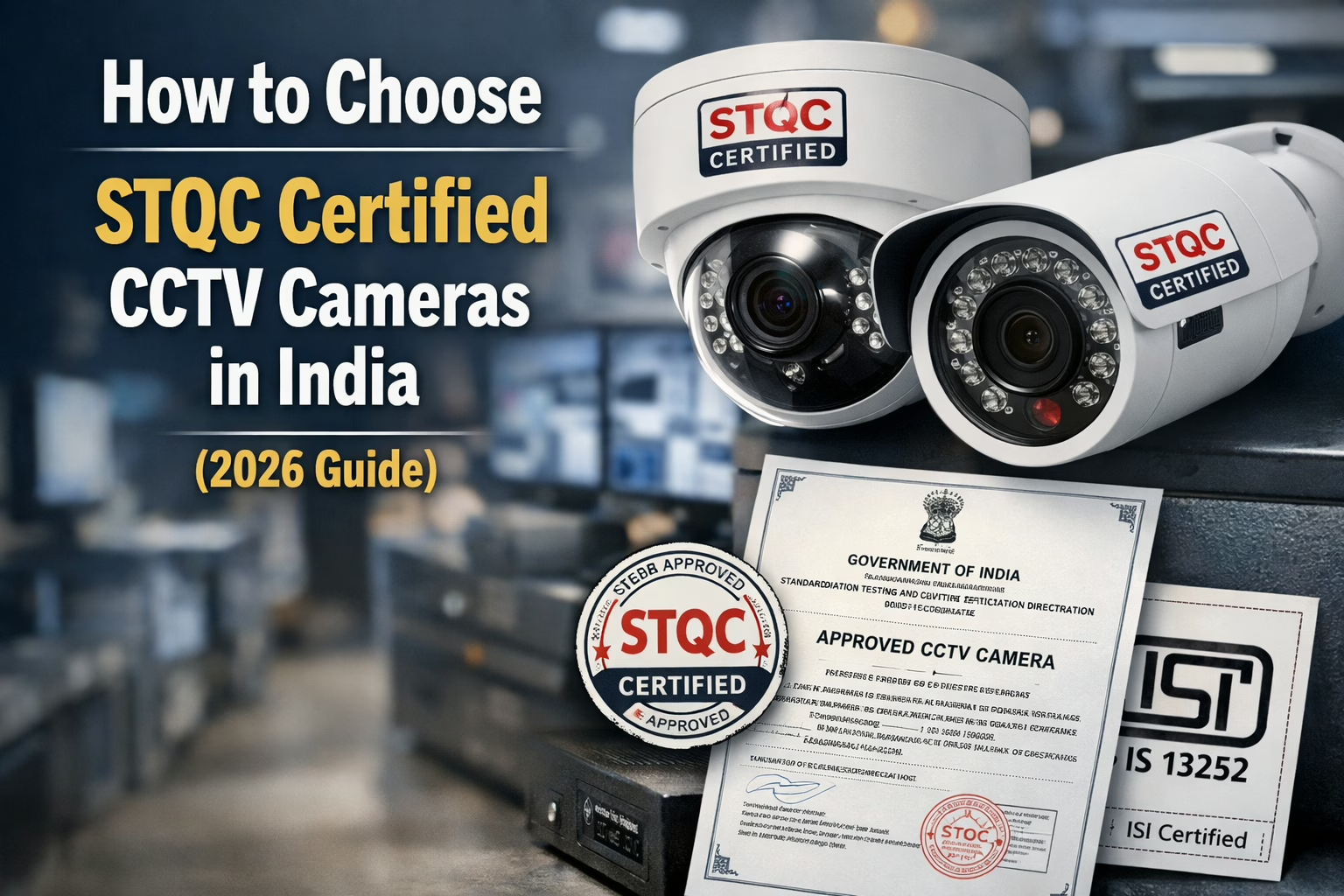
To choose CCTV India systems in 2026, verify STQC certification, ensure MeitY compliance, check data security features, confirm vendor expertise, and review documentation before purchase.
Choosing CCTV cameras in India now demands strict compliance. STQC certification is no longer optional after April 1, 2026. Non-compliant cameras risk bans and penalties. Therefore, buyers must follow a structured checklist before purchasing. This guide explains how to choose CCTV India solutions that meet MeitY norms, reduce risk, and ensure long-term ROI.
Choosing the right surveillance system is no longer simple. In 2026, regulations have changed the buying process completely. Therefore, businesses must now focus on compliance as much as performance. If you plan to choose CCTV India solutions, you need to understand STQC certification and MeitY guidelines first.
Moreover, non-compliant cameras may soon become unusable. This creates financial and operational risks for buyers. However, many decision-makers still rely on outdated selection methods. As a result, they end up investing in systems that fail audits later.
To avoid such mistakes, you must follow a structured approach. This guide will help you choose CCTV India systems using a practical checklist. Additionally, it reflects real compliance challenges faced by Indian businesses. With the right insights, you can make a secure and future-ready investment.
STQC CCTV systems protect businesses from legal risks and ensure data security. They also help organizations meet regulatory compliance and avoid costly system replacements.
India’s surveillance industry is undergoing a compliance shift. The government mandates STQC certification under MeitY guidelines. As a result, non-compliant CCTV cameras will face restrictions.
Moreover, businesses using such devices may face legal exposure. Therefore, choosing the right system is no longer just technical. It is also regulatory.
For deeper understanding, read:
MeitY CCTV Guidelines India 2026: Why Non-Compliant Cameras Will Be Banned After April 1
STQC certification ensures that CCTV cameras meet Indian government security and quality standards. It is mandatory under MeitY guidelines for surveillance systems in India from April 1, 2026.
STQC stands for Standardisation Testing and Quality Certification. It validates that CCTV systems meet Indian security standards.
Additionally, it ensures data integrity and cyber safety. This becomes critical for enterprises and government-linked operations.
Buyers should check STQC certification, MeitY compliance, secure storage, vendor credibility, and system scalability before they choose CCTV India solutions.
Non-STQC certified CCTV systems may fail compliance audits and face government restrictions. Businesses may need to replace such systems, increasing costs and operational risks.
A large manufacturing unit installed imported CCTV cameras. Initially, the system worked perfectly. However, it lacked STQC certification. During an audit, the system failed compliance checks. As a result, the company replaced over 300 cameras. Yendra Techno Solutions later redesigned the system. The new setup passed all regulatory checks.
A corporate client approached Yendra for risk assessment. Their existing CCTV setup lacked proper documentation. Although functional, it posed compliance risks. Yendra conducted a full audit and suggested upgrades. The company achieved compliance before the deadline
The best way is to work with compliance experts and certified vendors. This ensures you choose CCTV India systems that meet all regulatory and security standards.
Choosing the right brand is just as important as meeting compliance. Not every manufacturer is ready for India’s evolving regulations. Therefore, buyers must focus on brands that actively align with STQC and MeitY requirements. When you choose CCTV India solutions, brand credibility directly impacts compliance success.
Indian manufacturers are gaining preference due to local compliance alignment.
CP Plus (Aditya Infotech) is actively working toward STQC-ready solutions. It offers wide product availability and local support.
Prama Hikvision India has introduced compliant product lines tailored for Indian regulations. However, buyers must verify specific models carefully.
Sparsh CCTV focuses on indigenous manufacturing. It aligns well with government-driven initiatives like Make in India.
These brands often adapt faster to regulatory updates. Therefore, they are safer options when you choose CCTV India systems.
Do not choose a brand based only on popularity.
Instead, evaluate these critical aspects:
These factors ensure you choose CCTV India systems that remain compliant long-term.
In several projects, brand selection caused compliance failures. One enterprise selected a well-known international brand. However, the model lacked STQC certification. As a result, the system failed during compliance audits. Yendra replaced the system with certified alternatives. This ensured regulatory approval and operational continuity. This highlights a key lesson. Brand reputation alone is not enough. Compliance validation is essential when you choose CCTV India solutions.
Always shortlist brands that demonstrate compliance readiness. Then validate model-specific certifications and documentation. Work with experienced partners who understand regulatory nuances. This approach reduces risk and ensures long-term system viability.
Brand selection is a strategic decision in 2026. It directly affects whether your system passes or fails audits.Therefore, prioritize compliance over cost or popularity. When you choose CCTV India systems, select brands that prove their readiness with certifications and transparency.
To choose CCTV India systems for industries, experts follow a compliance-first approach. They assess industry-specific risks, verify model-level STQC certification, and design complete systems that meet MeitY guidelines. Additionally, they ensure secure storage, transparent supply chains, and audit-ready documentation. This structured method helps businesses stay compliant and avoid costly system replacements in 2026.
Choosing CCTV for industries is never a catalog exercise. It requires compliance mapping, risk evaluation, and system design thinking. When industries choose CCTV India systems, they must follow a structured and practical approach.
Different industries face different risks. A factory floor has safety concerns. A data center has cybersecurity risks. A warehouse focuses on theft and logistics tracking. Yendra first maps these risks before selecting any camera. This ensures the system meets both operational and compliance needs. Many buyers skip this step. As a result, they install cameras that fail during audits.
Every site has unique compliance requirements. For example, government-linked projects demand stricter documentation. Yendra evaluates whether the site falls under critical infrastructure. Then, the team aligns the design with MeitY and STQC norms. This step ensures that when clients choose CCTV India solutions, they remain audit-ready from day one.
Yendra never approves a brand without verifying the exact model. Even reputed brands may have non-compliant variants. Therefore, the team checks STQC certification at the product level. This avoids a common mistake where buyers assume the entire brand is compliant.
CCTV selection is not just about cameras. It includes storage, network, and data flow. Yendra designs systems where all components meet compliance standards. For example, NVRs are selected based on secure firmware. Storage is aligned with Indian data policies. This ensures the entire ecosystem supports compliance when industries choose CCTV India systems.
Many industrial projects previously relied on imported CCTV systems. However, hidden dependencies often create compliance issues. Yendra prefers solutions with transparent supply chains. This reduces regulatory risks and simplifies audits. Therefore, industries should rethink their sourcing strategy in 2026.
Compliance does not end after installation. Yendra designs systems that can handle future firmware updates and audits. This includes documentation management and upgrade pathways. As a result, clients avoid sudden system replacements later.
When you choose CCTV India systems, think beyond pricing and resolution. Focus on compliance, documentation, and system design. Ask vendors specific questions about STQC certification. Request proof instead of relying on claims. Finally, work with experts who understand both technology and regulation.
Industrial CCTV is now a compliance-driven investment. A technically strong system can still fail if it ignores regulations. Therefore, industries must adopt a compliance-first mindset. When you choose CCTV India solutions in 2026, follow a structured, expert-driven approach. This ensures your system is not only effective but also future-proof and audit-ready.
STQC certification confirms that CCTV systems meet Indian security standards. It ensures compliance with MeitY regulations. Therefore, it is essential when you choose CCTV India solutions in 2026.
Yes, STQC certification becomes mandatory after April 1, 2026. Non-compliant cameras may face restrictions or bans. Therefore, businesses must choose CCTV India systems that meet these requirements.
You should request official certification documents from the vendor. Additionally, verify details through STQC listings. This step is critical when you choose CCTV India systems.
Existing systems may face compliance risks during audits. In many cases, upgrades or replacements become necessary. Therefore, it is safer to choose CCTV India systems that are already compliant.
Non-compliant cameras may fail security and data protection standards. Moreover, they can lead to legal and financial issues. Hence, businesses should always choose CCTV India solutions with proper certification.
Low-cost cameras often lack proper certification. While they seem cost-effective initially, they create long-term risks. Therefore, it is better to choose CCTV India systems that meet compliance standards.
MeitY defines guidelines for electronics and IT equipment in India. It ensures surveillance systems meet security requirements. Hence, you must align with these rules when you choose CCTV India solutions.
Yes, storage devices like NVRs must meet regulatory standards. Data security is a key part of compliance. Therefore, always check storage requirements when you choose CCTV India systems.
Look for vendors with proven compliance expertise. Additionally, check their project experience and documentation support. This helps you confidently choose CCTV India solutions.
Start with compliance, then evaluate features and scalability. Work with experienced partners like Yendra Techno Solutions. This ensures you choose CCTV India systems that are future-ready.
Choosing CCTV India systems in 2026 requires a compliance-first mindset.
STQC certification is no longer optional. It is mandatory.
Therefore, businesses must act early and choose wisely.
A structured checklist ensures safe and future-proof investments.
Ignoring compliance may lead to financial and legal consequences.
If you are planning to upgrade or install CCTV systems, do not take risks.
Partner with experts who understand compliance deeply.
Yendra Techno Solutions helps you choose CCTV India systems that meet every regulatory requirement.
Schedule a compliance consultation today and secure your surveillance investment for the future.
WhatsApp us